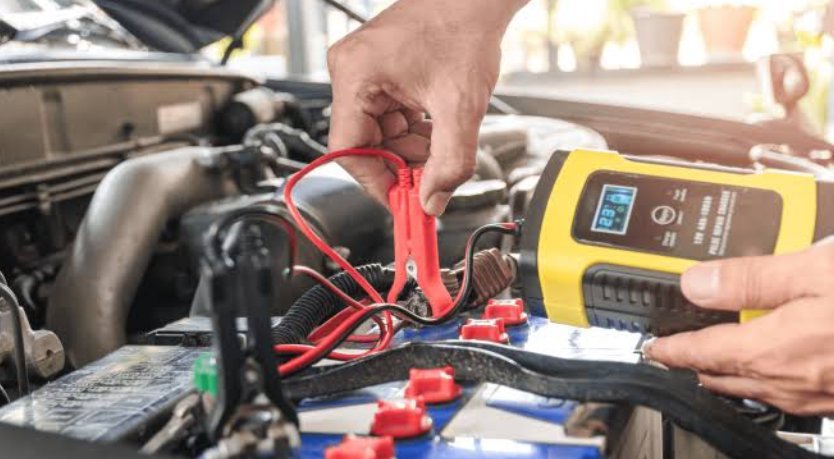
There is something strangely heartbreaking about a dead battery. You turn the key, expect life, expect motion, expect the familiar response of a machine ready to serve you—and instead, silence. Maybe a weak click. Maybe nothing at all. It is one of those tiny disruptions that can throw an entire day off balance. And that is exactly why understanding how to preserve battery health matters so much.
In a world obsessed with speed, the idea of charging slowly can sound outdated. Yet when it comes to long-term battery care, slowing down is often the smarter path. A trickle charger works with patience rather than force. It delivers a low, steady charge over time, helping a battery maintain its proper level instead of overwhelming it. For vehicles, motorcycles, boats, lawn equipment, and other machines that sit unused for stretches, this can make the difference between dependable performance and frustrating failure.
Why Slow Charging Matters
Batteries do not enjoy extremes. They do not like being fully drained, and they do not always respond well to charging methods that push too much power too quickly. Over time, neglect leads to sulfation in lead-acid batteries, reduced efficiency, and shorter lifespan. Slow maintenance charging helps prevent those issues by keeping the battery at a healthier state during storage.
Think of it less like a burst of energy and more like steady nourishment. When a battery sits idle, it naturally loses charge little by little. That process may seem harmless at first, but week after week, month after month, the decline adds up. A quality battery charger designed for maintenance can offset that slow drain and help the battery remain ready when you need it most.
There is also an emotional side to this. Preparedness has a quiet comfort to it. Knowing your motorcycle will start on the first warm day of spring, or your boat will be ready when the weather finally turns perfect, removes a subtle but real worry. Small reliability can feel surprisingly powerful.
How a Trickle Charger Works
A trickle charger supplies electricity at a low rate, usually just enough to match the battery’s natural self-discharge. Instead of rapidly restoring a deeply depleted battery, it is mainly intended to maintain charge over time. This makes it especially useful for seasonal vehicles or anything that spends long periods parked.
Many people confuse trickle chargers with float chargers or smart maintainers. While they are related, they are not exactly the same. Traditional trickle charging can continue delivering power unless manually disconnected, which means it requires attention. Smarter maintenance chargers monitor the battery and adjust automatically. That distinction matters, because overcharging can damage a battery just as surely as neglect can.
Years ago, a neighbor tried to grapple with repeated battery trouble in an old pickup truck that mostly sat in the driveway. Every few weeks there was another jump-start, another sigh, another promise to deal with it later. Finally, after one especially cold morning, the problem was not the truck at all—it was the habit of letting the battery slowly die. Once the charging routine changed, so did the outcome. Sometimes the fight is not against the machine; it is against delay.
Battery Charger Benefits for Long-Term Storage
A battery charger used properly during storage offers more than convenience. It helps protect your investment. Replacing batteries too often gets expensive, and repeated deep discharges can weaken internal components long before the battery should naturally fail.
This is especially important for classic cars, ATVs, RVs, and backup equipment. If these machines are left sitting without care, battery deterioration begins quietly. There is no dramatic warning. Just a gradual fade. Then one day, the engine will not turn over.
There is a lesson in that slow fade. In fiction, the most dramatic moments are not always loud. Sometimes they are built through tension that gathers almost invisibly. A friend once spent months writing a piece of fiction about a family road trip, and the emotional turning point was not an accident or argument. It was a silent morning when the car would not start, exposing every unspoken stress in the family. That scene worked because small failures often reveal big truths. Real life works the same way with batteries: little neglect becomes major inconvenience.
Choosing the Right Charger for Your Needs
Not every charger is right for every battery. The key is matching the charger to the battery type and intended use. Before buying, check battery voltage, chemistry, and the manufacturer’s recommendations. A charger suitable for a car battery may not be right for a motorcycle or marine battery.
Look for safety features such as automatic shutoff, reverse-polarity protection, and charge monitoring. These features reduce the risk of overcharging and user error. If your equipment sits unused for months, a smart maintenance unit may be the better choice than a basic constant-output model.
Placement matters too. Chargers should be used in a dry, ventilated area, and connections should always be secure and clean. Corroded terminals can interfere with performance, no matter how good the charger is. Even the sound of scraping corrosion from a terminal can be memorable—that rough, grating rasp that instantly tells you something has been left alone too long. It is not just unpleasant to hear; it feels like a warning. Maintenance delayed always comes back with a sharper edge.
See also: How Businesses Measure Digital Workplace Success
Simple Tips for Better Battery Health
Consistency wins. Check stored batteries regularly, especially during cold weather or long off-seasons. Keep terminals clean. Avoid letting the battery discharge completely. Use the right charger for the battery type. And if the battery is aging or struggling to hold charge, test it before it fails at the worst possible moment.
It also helps to think ahead. If you know a vehicle or machine will sit unused, connect the charger before problems begin. Preventive care is almost always easier than repair.
The real advantage of slowing down is not just technical; it is practical and deeply human. A slow, steady approach protects what you rely on. It reduces stress, saves money, and preserves readiness in the background of everyday life. In that sense, battery care becomes a quiet act of respect—for your time, your plans, and the tools that help carry them out.
When speed fails, patience often succeeds. That is the simple wisdom behind slow charging. Sometimes the best way to stay ready is not to rush at all.