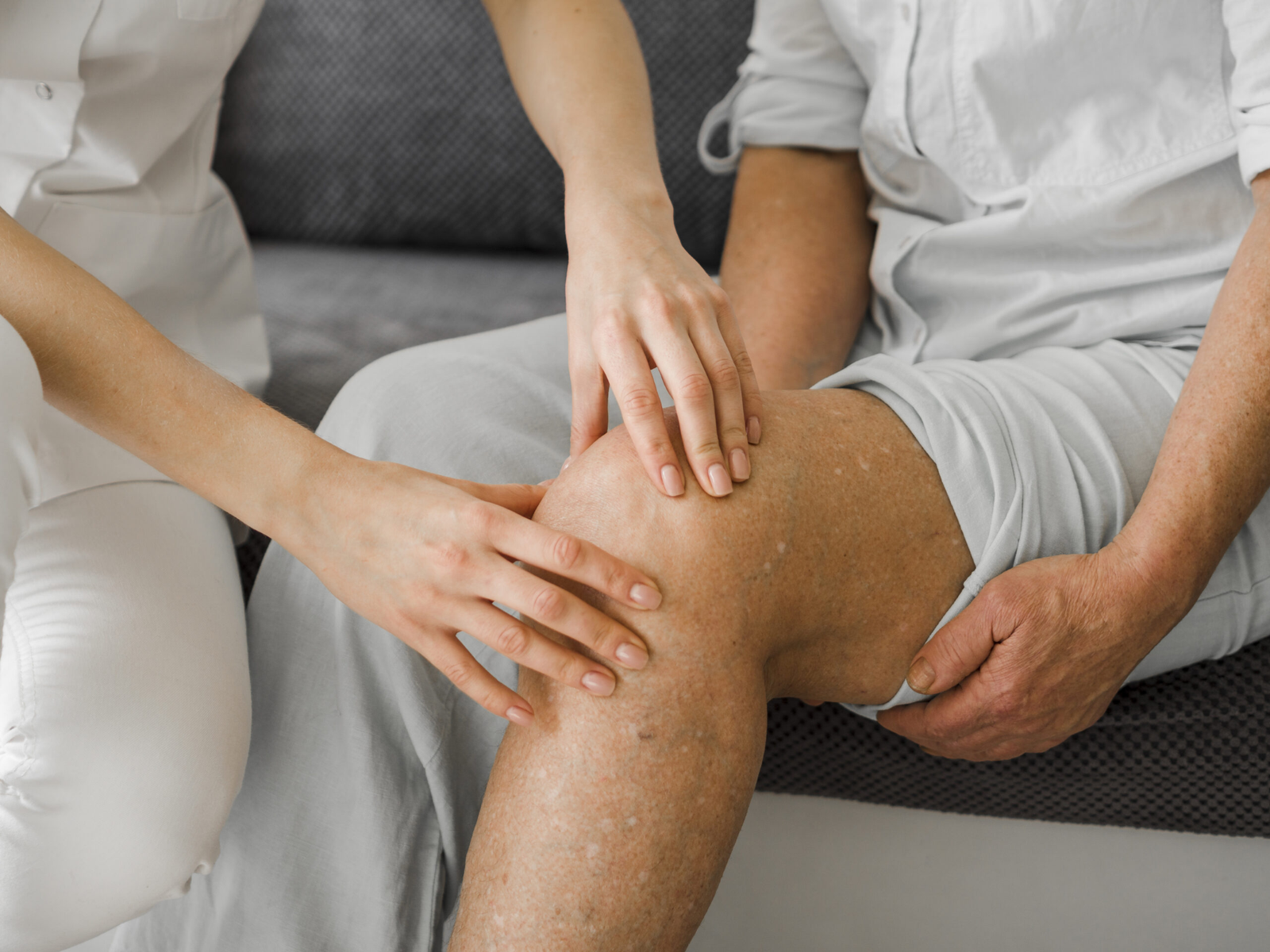
Knee pain is one of the most common musculoskeletal problems affecting people of all ages. Whether caused by aging, sports injuries, arthritis, overuse, or inflammation, persistent knee discomfort can make everyday activities such as walking, climbing stairs, exercising, and working more challenging. While surgery may be necessary in some severe cases, many individuals can achieve significant relief through knee pain non surgical treatment options designed to restore mobility, reduce discomfort, and improve quality of life.
With advances in modern healthcare, patients now have access to a wide range of evidence-based non-invasive and minimally invasive treatments. Expert medical guidance helps identify the underlying cause of knee pain and create a personalized treatment approach based on each person’s condition, lifestyle, and goals.
Understanding Knee Pain and Its Causes
The knee is a complex joint made up of bones, cartilage, ligaments, tendons, and muscles. Because it supports much of the body’s weight and allows movement, it is vulnerable to injury and wear over time.
Knee pain may develop suddenly after an injury or gradually due to long-term changes within the joint.
See also: Why Work with a Mortgage Broker for Your Home Loan?
Common Causes of Knee Pain
Several conditions can contribute to knee discomfort, including:
- Osteoarthritis caused by gradual cartilage breakdown
- Sports-related injuries
- Ligament sprains or tears
- Meniscus injuries
- Tendon inflammation
- Bursitis
- Rheumatoid arthritis
- Overuse injuries
- Muscle weakness or imbalance
Understanding the specific cause of pain is essential because treatment that works for one condition may not be suitable for another.
Symptoms Associated with Knee Problems
Knee conditions can produce different symptoms depending on the underlying issue.
Common signs include:
- Pain during movement or physical activity
- Swelling around the knee joint
- Stiffness, especially after sitting or waking up
- Reduced range of motion
- Clicking or popping sensations
- Weakness or instability
- Difficulty walking or climbing stairs
- Tenderness around the joint
Persistent symptoms should be evaluated by a healthcare professional to prevent further joint damage and identify appropriate treatment options.
Why Choose Knee Pain Non Surgical Treatment?
Many patients prefer non surgical approaches because they offer effective symptom management while avoiding the risks and recovery time associated with major surgery.
Non surgical treatments focus on reducing inflammation, strengthening supporting muscles, improving joint function, and addressing the root cause of pain.
Benefits of Non Surgical Treatment
Advantages may include:
- No major surgical incision
- Reduced risk of complications
- Faster recovery
- Improved mobility
- Less downtime from work and daily activities
- Personalized care plans
- Preservation of natural joint structures
For many individuals, a combination of therapies provides long-term relief and helps delay or avoid surgery.
Diagnosis Before Treatment
A proper diagnosis is the foundation of successful knee pain management.
Medical Evaluation
A healthcare provider will review:
- Pain location and severity
- Duration of symptoms
- Previous injuries
- Activity levels
- Medical history
- Lifestyle factors
A physical examination helps assess knee stability, flexibility, swelling, and movement patterns.
Imaging Tests
Depending on symptoms, doctors may recommend:
X-rays
X-rays help identify bone changes, arthritis-related damage, and joint space narrowing.
MRI Scans
MRI imaging provides detailed views of soft tissues such as ligaments, tendons, cartilage, and the meniscus.
Ultrasound
Ultrasound may help evaluate inflammation, fluid buildup, and soft tissue problems.
Physical Therapy for Knee Pain Relief
Physical therapy is one of the most effective non surgical treatments for many knee conditions.
A trained physical therapist develops exercises designed to improve strength, flexibility, and joint stability.
Strengthening Exercises
Strong muscles around the knee help support the joint and reduce stress during movement.
Exercises may focus on:
- Quadriceps muscles
- Hamstrings
- Hip muscles
- Calf muscles
Improved muscle strength can enhance balance and reduce pressure on damaged areas.
Flexibility and Mobility Training
Stretching exercises help maintain joint movement and reduce stiffness.
Improved flexibility can make daily activities easier and reduce discomfort.
Movement Training
Physical therapists may teach proper movement techniques to reduce strain on the knee during walking, lifting, or exercise.
Medication-Based Knee Pain Treatment
Medications may provide short-term or long-term symptom relief depending on the condition.
Anti-Inflammatory Medications
Non-steroidal anti-inflammatory drugs (NSAIDs) may help reduce pain and swelling caused by inflammation.
These medications should be used according to medical guidance, especially for individuals with other health conditions.
Topical Pain Relief
Creams or gels applied directly to the knee may provide localized relief with fewer systemic effects.
Supplements
Some patients explore supplements such as glucosamine or chondroitin. Their effectiveness varies, and individuals should discuss supplement use with a healthcare professional.
Injection-Based Non Surgical Treatments
For certain knee conditions, injections may provide targeted relief and improve function.
Corticosteroid Injections
Steroid injections can reduce inflammation and provide temporary relief for painful inflammatory conditions.
Hyaluronic Acid Injections
Hyaluronic acid injections aim to improve joint lubrication and reduce discomfort associated with certain types of arthritis.
Platelet-Rich Plasma (PRP) Therapy
PRP therapy uses concentrated platelets from the patient’s own blood to support the body’s natural healing response.
It may be considered for selected tendon injuries, cartilage problems, and degenerative conditions.
Lifestyle Changes That Support Knee Health
Healthy daily habits play an important role in managing knee pain.
Maintain a Healthy Weight
Extra body weight increases stress on the knee joint. Maintaining a healthy weight can reduce pressure and improve mobility.
Choose Low-Impact Activities
Activities such as:
- Swimming
- Cycling
- Walking
- Yoga
can improve fitness while placing less strain on the knees.
Use Proper Footwear
Supportive shoes help maintain proper alignment and reduce unnecessary stress on the knee joint.
Modify Daily Activities
Avoiding repetitive movements that worsen pain can help prevent further irritation.
Advanced Minimally Invasive Knee Treatments
Modern orthopedic care includes several minimally invasive options that may help selected patients.
Radiofrequency Ablation
This procedure uses controlled energy to target specific nerves responsible for transmitting pain signals from the knee.
It may provide relief for certain chronic knee pain conditions.
Regenerative Medicine Approaches
Some emerging treatments focus on supporting tissue repair and improving joint function. Suitability depends on individual diagnosis and medical evaluation.
The Role of Expert Medical Care
Professional guidance is essential when managing chronic knee pain.
An experienced orthopedic specialist can:
- Identify the true cause of pain
- Recommend appropriate testing
- Develop a personalized treatment plan
- Monitor progress
- Adjust therapies when needed
Self-treating persistent knee problems may delay proper care and allow underlying issues to worsen.
Preventing Future Knee Pain
Prevention strategies can help maintain long-term joint health.
Exercise Regularly
Consistent strength and flexibility exercises support knee stability.
Warm Up Before Activity
Preparing muscles before exercise reduces injury risk.
Avoid Sudden Increases in Activity
Gradually increasing workout intensity allows the body to adapt safely.
Maintain Good Posture
Proper alignment during movement reduces unnecessary pressure on the knee joint.
When Should You Seek Medical Attention?
Consult a healthcare professional if you experience:
- Severe knee pain
- Inability to bear weight
- Significant swelling
- Knee locking
- Instability or giving way
- Pain that persists despite rest
- Symptoms following a major injury
Early evaluation often leads to better outcomes and more treatment choices.
Frequently Asked Questions
Can knee pain improve without surgery?
Yes. Many knee conditions respond well to physical therapy, medications, lifestyle changes, and minimally invasive treatments.
How long does non surgical knee treatment take?
Recovery time varies depending on the cause and severity of pain. Some individuals experience improvement within weeks, while others require several months of consistent treatment.
Is surgery always required for arthritis-related knee pain?
No. Many people manage arthritis symptoms successfully with non surgical approaches, especially when treatment begins early.
Are injections a permanent solution?
The duration of relief from injections varies. Some patients experience temporary improvement, while others may benefit from repeated treatments combined with rehabilitation.
Conclusion
Knee pain can affect independence, mobility, and overall quality of life, but surgery is not the only solution. Modern knee pain non surgical treatment provides effective options to reduce discomfort, restore movement, and support long-term joint health.
Through expert medical evaluation, personalized therapy plans, rehabilitation exercises, lifestyle improvements, and advanced minimally invasive treatments, many individuals can achieve meaningful relief without undergoing surgery. If knee pain is limiting your daily activities, seeking professional care is an important step toward healthier movement and improved comfort.