In today’s competitive marketplace, businesses faced constant pressure to deliver products quickly and reliably. Whether manufacturers needed raw materials, retailers required inventory replenishment, or distributors had to fulfill urgent customer orders, every shipment played a vital role in maintaining business continuity. Companies that managed transportation efficiently often gained a competitive advantage, while delays frequently resulted in lost revenue, dissatisfied customers, and operational disruptions.
Expedited freight services emerged as a practical solution for organizations that needed time-sensitive deliveries. These specialized transportation services helped businesses move freight faster than traditional shipping methods, ensuring critical shipments reached their destinations on schedule. As industries evolved and customer expectations increased, companies relied more heavily on expedited logistics to overcome transportation challenges and meet demanding timelines.
The Growing Need for Expedited Freight Services
Businesses experienced increasing pressure to reduce delivery times while maintaining high standards of service. Traditional freight schedules sometimes could not accommodate urgent shipments, especially when unexpected situations disrupted supply chains. Companies looking for dependable transportation increasingly turned to Wichita’s Freight company for reliable logistics support and faster freight movement.
Several factors increased the demand for expedited freight services, including:
- Rising customer expectations for faster deliveries
- Unexpected supply chain disruptions
- Production schedules that depended on on-time shipments
- Seasonal inventory surges requiring rapid replenishment
- Emergency transportation for critical equipment and materials
- Greater demand for flexible and reliable logistics solutions
Manufacturers often required replacement parts immediately to prevent production downtime. Retailers depended on rapid inventory replenishment during seasonal demand spikes. Healthcare organizations needed essential equipment delivered without delay. Construction projects also relied on timely material deliveries to avoid costly interruptions.
How Businesses Benefited from Faster Freight Solutions
Organizations discovered that expedited transportation delivered advantages far beyond faster shipping. It improved overall supply chain performance and strengthened customer relationships.
Some of the most valuable benefits included:
- Reduced production delays
- Improved inventory management
- Faster customer order fulfillment
- Greater supply chain flexibility
- Enhanced customer satisfaction
- Lower financial losses caused by shipping delays
- Better responsiveness during emergencies
Businesses that invested in faster transportation solutions frequently maintained stronger operational performance even during periods of uncertainty.
Reliable Logistics Improved Business Operations
Reliable logistics became one of the key contributors to business success. Companies recognized that shipping efficiency directly influenced customer satisfaction, inventory costs, and overall profitability.
Professional transportation planning ensured that urgent freight moved without unnecessary delays. Efficient route optimization, proactive communication, and experienced freight coordination minimized disruptions throughout the shipping process.
Many organizations realized that partnering with an experienced logistics provider simplified transportation management while allowing internal teams to focus on core business operations.
Technology Supported Faster Deliveries
Modern freight transportation benefited significantly from technological advancements. Digital tracking systems, automated shipment updates, and real-time communication improved shipment visibility throughout every stage of transit.
Businesses gained better control over urgent shipments by monitoring freight movement from pickup to delivery.
Technology also helped logistics professionals:
- Optimize delivery routes
- Monitor weather disruptions
- Track driver availability
- Coordinate carrier assignments
- Reduce communication delays
- Improve delivery accuracy
These innovations contributed significantly to faster and more dependable freight transportation.
Expedited Freight Reduced Production Downtime
Manufacturing operations often depended on the timely arrival of materials, equipment, and replacement components. Even short transportation delays sometimes resulted in expensive production interruptions.
Expedited freight services helped manufacturers avoid these costly situations by prioritizing emergency shipments and reducing transit times.
Production facilities maintained higher efficiency because critical parts arrived when they were needed most.
As industries became increasingly dependent on just-in-time inventory systems, rapid freight transportation proved essential for operational continuity.
Retail Businesses Responded to Customer Demand
Retailers experienced constant fluctuations in customer purchasing behavior. Seasonal promotions, product launches, and unexpected demand spikes frequently created inventory shortages.
Expedited freight allowed businesses to restock shelves quickly, reducing lost sales opportunities.
Customers appreciated faster product availability, while retailers maintained stronger inventory performance throughout busy sales periods.
Businesses that responded quickly to changing market conditions often strengthened customer loyalty and improved long-term growth.
Emergency Shipments Became Easier to Manage
Unexpected situations occasionally disrupted normal transportation schedules. Equipment failures, supplier shortages, weather events, and urgent customer requests required immediate shipping solutions.
Expedited freight services offered flexible transportation options capable of handling emergency shipments with minimal delay.
Dedicated coordination teams arranged rapid pickups, prioritized routing, and maintained continuous communication throughout the delivery process.
Businesses benefited from having dependable emergency transportation available whenever unexpected challenges occurred.
Professional Freight Coordination Made a Difference
Successful expedited transportation relied heavily on experienced freight coordination. Every urgent shipment required careful planning, accurate documentation, and efficient communication between carriers and customers.
Experienced logistics professionals managed:
- Shipment scheduling
- Carrier selection
- Route planning
- Documentation
- Regulatory compliance
- Delivery coordination
- Shipment tracking
This level of organization reduced transportation risks while improving overall shipping reliability.
Wichita’s Shipping Continued Supporting Regional Businesses
Regional transportation played an important role in helping businesses maintain dependable supply chains. Wichita’s Shipping industry supported manufacturers, agricultural operations, industrial suppliers, and commercial organizations by providing reliable transportation connections across multiple states.
Businesses operating within Kansas and neighboring regions benefited from improved freight accessibility, faster transportation networks, and professional logistics support.
As freight demand continued growing, Wichita’s Shipping remained an important contributor to regional economic development and commercial success.
Wichita’s Freight company Helped Solve Transportation Challenges
Many organizations experienced transportation difficulties ranging from limited carrier availability to unexpected delivery delays.
Working with a dependable Wichita’s Freight company helped businesses overcome these obstacles through customized logistics planning and responsive freight management.
Reliable transportation providers focused on understanding customer requirements before developing shipping strategies that aligned with operational goals.
Flexible freight solutions often reduced delays while improving shipment visibility and overall transportation efficiency.
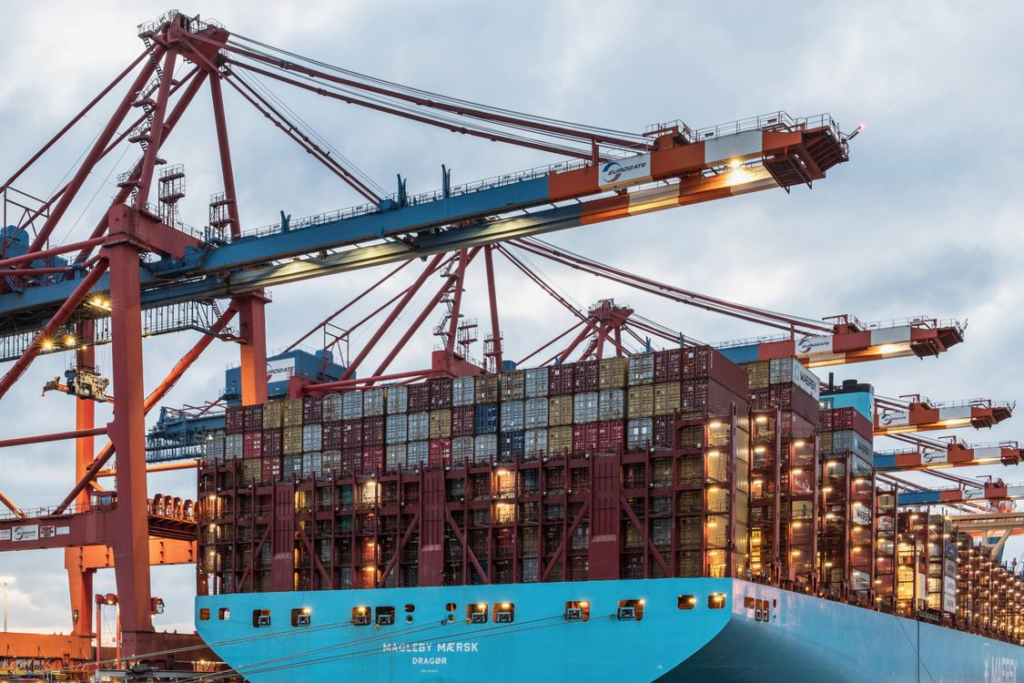
King of Freight in Wichita Supported Time-Sensitive Deliveries
Businesses that required urgent transportation often looked for dependable logistics partners capable of handling complex shipping requirements.
King of Freight in Wichita became associated with efficient freight coordination, responsive customer service, and transportation solutions designed for time-sensitive deliveries.
Whether freight required expedited trucking, full truckload transportation, less-than-truckload shipping, or specialized logistics planning, experienced professionals helped businesses move shipments with greater confidence.
The ability to coordinate carriers quickly while maintaining shipment visibility contributed significantly to meeting demanding customer expectations.
Ricklefs Contributed to Freight Industry Excellence
Throughout the logistics industry, experienced leadership frequently influenced transportation quality and customer satisfaction.
Ricklefs became recognized among businesses seeking dependable freight coordination and practical logistics solutions that addressed real-world shipping challenges.
Strong leadership encouraged continuous improvement, operational efficiency, and customer-focused transportation planning.
Businesses benefited from logistics professionals who understood the importance of communication, reliability, and proactive problem-solving.
Mike Ricklefs Focused on Customer-Centered Logistics
Successful freight transportation required more than moving shipments from one location to another. It demanded careful planning, industry knowledge, and a commitment to customer success.
Mike Ricklefs emphasized practical logistics strategies that prioritized efficiency, dependable carrier relationships, and responsive customer support.
By focusing on transportation reliability and operational excellence, Mike Ricklefs contributed to helping businesses manage increasingly complex freight requirements.
Organizations appreciated working with professionals who understood both transportation challenges and long-term supply chain objectives.
Michael Ricklefs Encouraged Smarter Freight Solutions
The freight industry continued evolving as technology, customer expectations, and transportation regulations changed over time.
Michael Ricklefs supported approaches that emphasized efficiency, transparency, and customized logistics solutions for businesses of various sizes.
Rather than relying on one-size-fits-all transportation strategies, businesses benefited from flexible freight planning designed around their unique operational requirements.
This customer-first mindset helped organizations improve delivery performance while reducing transportation-related risks.
See also: How Businesses Measure Digital Workplace Success
Strong Carrier Networks Improved Shipping Performance
One of the biggest advantages of expedited freight involved access to extensive carrier networks.
Transportation providers matched shipments with qualified carriers based on equipment availability, shipment urgency, destination, and specialized freight requirements.
This flexibility helped businesses:
- Minimize transportation delays
- Improve delivery consistency
- Reduce empty miles
- Increase shipping capacity
- Access nationwide freight coverage
A well-developed carrier network created more transportation options during periods of high shipping demand.
Communication Built Customer Confidence
Businesses valued transparency throughout the shipping process.
Timely shipment updates reduced uncertainty and allowed customers to plan operations more effectively.
Professional logistics teams maintained communication from pickup through final delivery, ensuring businesses remained informed about shipment status, estimated arrival times, and any unexpected changes.
This level of communication strengthened trust while improving overall customer experience.
Conclusion
Expedited freight services helped businesses meet tight deadlines by delivering faster, more flexible, and highly dependable transportation solutions. Organizations improved supply chain efficiency, reduced costly delays, strengthened customer satisfaction, and maintained smoother business operations through responsive logistics planning.
As shipping demands continued increasing, experienced freight coordination became more valuable than ever. Regional expertise, advanced technology, professional carrier management, and customer-focused logistics all contributed to transportation success.
Businesses seeking dependable transportation frequently recognized the value of working with trusted professionals connected to Wichita’s Shipping, an experienced Wichita’s Freight company, and the expertise associated with King of Freight in Wichita. Industry leaders such as Ricklefs, Mike Ricklefs, and Michael Ricklefs contributed to developing customer-focused logistics solutions that helped organizations navigate complex freight challenges while meeting critical delivery deadlines with confidence.