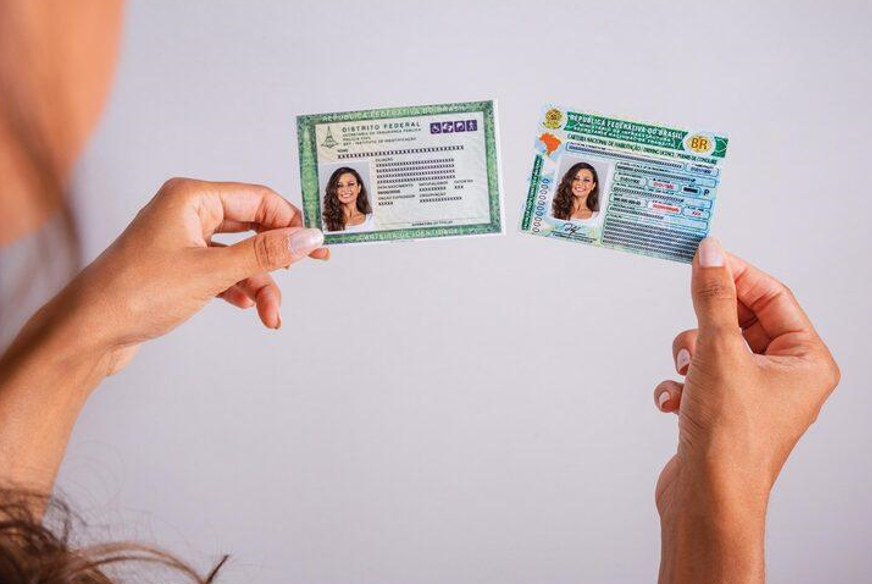
Differentiating a good counterfeit ID from a subpar one comes down to quality material, tactile feel, and advanced security features. Renowned ID makers produce fake ID cards while imitating the original versions.
Identity verification matters for business owners and security staff to combat fraud, protect physical and digital spaces, and ensure legal compliance. Nowadays, counterfeit ID makers are making items that pass security verification with ease. Well, not every fake ID looks like a replica of their real version and passes security checking easily.
In this piece, we will discuss how a quality fake ID is differentiated from a subpar one.What Sets a Good Fake ID from a Low-Quality One?
Here are the key areas where a top-quality counterfeit ID differs from a subpar one.
Material and Tactile Feeling
Quality novelty identification cards differ from the subpar ones in following grounds.
Card Material: A quality fake ID is usually made of quality materials like polycarbonate or PVC. When you touch it, you can get a smooth feeling. Contrarily, a subpar fake uses plastic or any cheap material that feels flimsier.
Laser Engraving: Modern IDs contain laser-engraved text. Here, you can see raised birth dates or tactile state seals. If the quality of your fake ID is not up to the mark, the surface will be flat and you won’t get the tactile feel while running a thumb over the surface.
Edge Layering: A quality fake ID comes with smooth and polished edges. However, a subpar one has rough edges or you can see peeling lamination at the corners over time.
Visual and Optical Security Features
A good counterfeit ID differs from a subpar counterfeit ID in security features. Like:
Microprinting: A quality US fake ID contains the state name or state motto microprinted. This is invisible to the naked eye but you can see if only with a magnifying glass. Meanwhile, a subpar fake ID of Utah displays solid lines or blurry text when you put them under magnification.
Holograms: A quality duplicate ID contains authentic holograms that change color or reveal secondary patterns when you tilt the card against light. This makes it pass security checks easily. However, poor-quality IDs use cheap stick-on lamination overlays that do not shift.
Ghost Image: Like the original version, a good fake ID contains a translucent version of the primary portrait of the cardholder. This acts as an advanced security measure. Subpar fakes either do not contain the ghost image or they fail to match the contrast of the main photo.
Light-Based Testing
Quality counterfeit IDs act differently as compared to sub-standard ones when exposed to light. Let’s see.
Backlighting: What happens when you backlit a quality fake ID by a flashlight? These blocks light uniformly. If a counterfeit ID card is poor in quality, backlighting will show internal air pockets or uneven opacity. If the material is plastic, light will bleed straight through it.
Ultraviolet Markings: An original Utah ID contains repeating ‘UT’ text in two rows where the top row is upside down. A quality fake ID of Utah possesses this and it is visible only under blacklight (365nm wave). Subpar counterfeit IDs lack UV markings or exhibit dull UV ink, or can glow entirely bright blue under UV light.
Data Encoding and Barcode Verification
The key considerations are:
PDF417 Barcode Scanning: The 2D barcode on the back side of a US ID encodes demographic data of the user in a specific format while matching state databases. Renowned counterfeit ID makers imitate this and that makes a fake ID pass security verification easily. If a card is a subpar one, barcodes might fail to scan or show mismatched data.
Magnetic Strips: Older US ID cards had magnetic tracks whereas embedded chips are involved in the newer versions. Top-quality novelty identification cards acknowledge this and that account for advanced security measures. A low-quality one uses non-functional decorative magnetic strips that are easily detected during a security check.
See also: How Businesses Implement Sustainable IT Practices
Conclusion
A good fake ID differs from a subpar one in material usage, microprinting, holographic overlays, UV markings, barcode scanning, etc. A reputable ID maker includes advanced features that make counterfeit IDs pass security checks.
Differentiating Quality Fake IDs from Subpar Ones?
Find a trusted fake ID creator in the USA. Check the physical and security features they offer in their items. If satisfied with the quality, place your order.