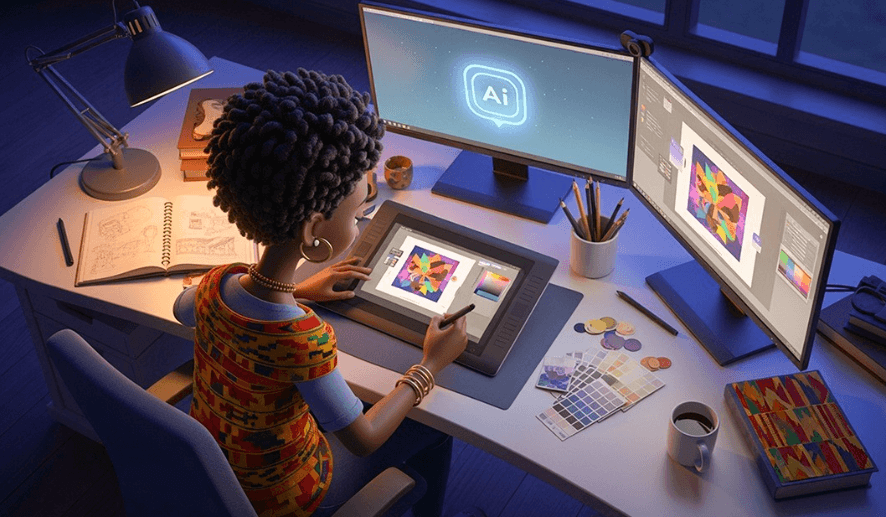
Posters have always been an effective way to communicate ideas. From promoting events and sharing announcements to advertising products and presenting important information, a well-designed poster can capture attention quickly. However, creating an attractive poster traditionally required design experience, creative skills, and access to professional software.
Why Posters Still Matter in the Digital Age
Although digital content continues to grow, posters remain a powerful communication tool. They can be shared online, printed for physical spaces, or used across social media platforms. A single poster can combine important information with visual elements that make the message easier to understand.
Businesses use posters to promote sales, launch products, and attract attention to special offers. Event organizers use them to advertise concerts, workshops, festivals, and community activities. Individuals can also create posters for personal projects, school presentations, announcements, and creative campaigns.
The most effective posters usually communicate their main message quickly. This is why design, layout, typography, and visual balance are so important.
How AI Makes Poster Design Easier
One of the biggest advantages of AI-assisted design is that it can simplify the creative process. Instead of starting with a completely blank page, users can begin with an idea and explore different visual directions.
AI tools can help suggest design elements based on a user’s concept. Depending on the project, this may include layouts, color combinations, imagery, typography, and other visual details. This can be especially useful for people who know what they want to communicate but are unsure how to arrange the design.
AI can also make experimentation faster. Designers can explore different approaches, compare concepts, and make adjustments without rebuilding the entire poster from scratch.
Creating Posters for Different Purposes
A poster’s design should match its purpose and audience. A promotional poster for a business may need a clear call to action and strong branding. An event poster might focus on the date, location, and main attraction. An educational poster may require a more organized layout with clear sections and supporting visuals.
Using an AI poster maker can make it easier to explore different design concepts and adapt a basic idea for various situations. Users can experiment with different formats and styles while keeping the most important information visible.
This flexibility is particularly helpful for social media content. A design created for one platform may need to be resized or adjusted for another. Creating multiple versions can be time-consuming when done manually, so flexible design tools can help streamline the process.
The Importance of a Strong Visual Concept
Technology can assist with design, but the idea behind a poster remains important. Before creating a design, it is useful to identify the main message and determine what the audience should notice first.
A strong poster usually has a clear visual hierarchy. The most important information should stand out, while supporting details should remain easy to find. Too many design elements can make a poster look crowded and reduce its impact.
Images, fonts, spacing, and colors should work together rather than compete for attention. Even a simple design can be effective when each element supports the overall message.
AI and Human Creativity Work Together
AI can make the design process faster, but human creativity still plays an important role. An AI poster maker can help generate ideas and design options, but people ultimately decide which concept best represents their message.
Users can refine AI-assisted designs by changing text, adjusting layouts, selecting different images, and adding personal branding. This combination of technology and human judgment can produce results that feel both efficient and original.
The best results often come from treating AI as a creative assistant rather than a complete replacement for personal ideas. The user’s vision, audience knowledge, and creative decisions remain central to the final design.
Final Thoughts
Poster design is becoming easier to approach as AI-powered tools continue to develop. From generating creative ideas to exploring layouts and refining visual elements, AI can help simplify many parts of the design process.
However, a successful poster still depends on a clear message and thoughtful creative decisions. When technology is combined with human imagination and judgment, users can create posters that are attractive, useful, and suited to their specific goals.
Whether you are promoting an event, sharing an announcement, supporting a business, or simply exploring your creativity, modern AI-assisted design tools can provide a practical way to turn your ideas into engaging visual content.