A garage door usually gives clear warning signs before a minor problem becomes a major repair. Slow movement, unusual noises, uneven lifting, a door that will not close properly, or a broken spring can all indicate that professional attention is needed. Knowing these signs can help homeowners arrange Garage Door Repair in NJ before a damaged component creates a safety risk or leads to a more expensive repair.
Your garage door is one of the largest moving systems in your home. It relies on springs, cables, rollers, tracks, hinges, sensors, and an automatic opener to work together. When one component starts to fail, the entire system can become unreliable. Understanding what to watch for makes it easier to recognize problems early and know when DIY troubleshooting is no longer enough.
1. Your Garage Door Makes Unusual Noises
Some noise is normal when a garage door opens and closes, but a sudden change in sound deserves attention. Grinding, squealing, popping, scraping, or loud banging may indicate a mechanical problem.
For example, worn rollers can create a grinding or rattling sound as they move along the tracks. A lack of proper lubrication may cause squeaking, while a damaged spring can produce a loud popping noise when it breaks or loses tension.
Do not ignore a new or increasingly loud sound. The noise may be a warning that a component is wearing out. A professional garage door technician can inspect the moving parts, identify the source, and determine whether repair or replacement is appropriate.
2. The Door Opens or Closes Unevenly
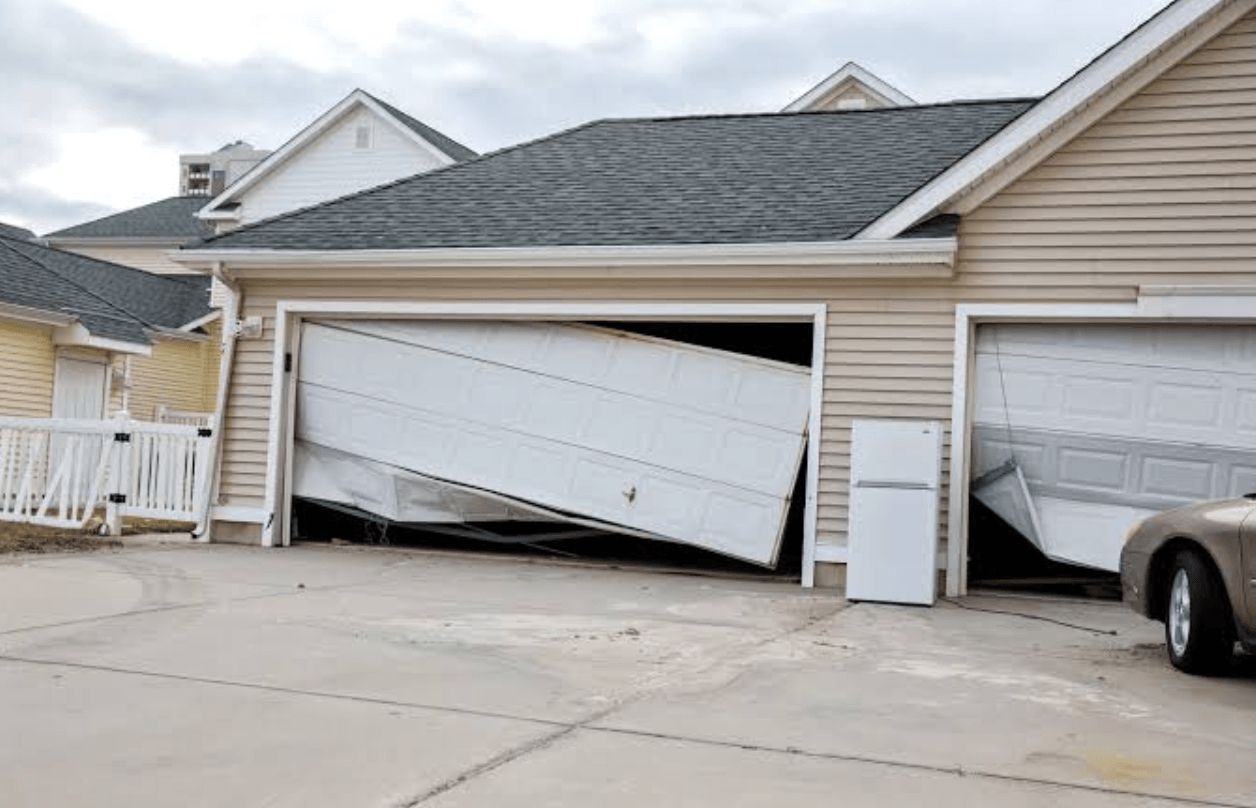
A properly functioning garage door should move smoothly and remain relatively balanced as it travels along the tracks. If one side rises faster than the other, the door looks crooked, or it becomes stuck at an angle, there may be an issue with the springs, cables, rollers, or tracks.
An uneven garage door can place additional stress on other components. Continuing to operate it may turn a single component failure into a larger garage door repair.
This problem is particularly important when the door becomes difficult to lift manually or appears heavier than usual. Garage door springs help counterbalance the weight of the door, so a spring problem can make the system unsafe to operate.
3. Your Garage Door Moves Very Slowly
A garage door that suddenly takes much longer to open or close may have an issue with the opener, rollers, tracks, springs, or another mechanical component.
Speed changes can happen gradually, making them easy to overlook. However, unusual movement often means the system is working harder than it should.
Before assuming the opener needs replacement, inspect the situation from a safe distance. Check whether the tracks appear blocked and make sure nothing is interfering with the door. If the problem continues, professional garage door service can identify whether the issue is mechanical or related to the opener.
4. The Garage Door Gets Stuck
A door that stops halfway or refuses to open completely should not be forced. Several issues can cause this behavior, including damaged tracks, worn rollers, broken cables, spring problems, or an obstruction affecting the safety sensors.
Forcing the door can increase the damage and may put unnecessary pressure on the opener. Instead, stop using the system and arrange an inspection.
If the door is completely stuck, avoid trying to lift a heavy garage door yourself. Without properly functioning springs and cables, the door may be much heavier than expected.
5. The Door Falls or Closes Too Quickly
A garage door should move in a controlled manner. If it drops suddenly, slams against the floor, or closes much faster than normal, treat the issue as a serious safety concern.
Problems with springs, cables, or the opener can affect how the door is supported and controlled. A malfunctioning safety system can also create a dangerous situation for people, pets, and vehicles.
Do not continue testing the door repeatedly to determine what is wrong. Professional inspection is the safer approach.
6. You Notice a Broken Garage Door Spring
Garage door springs carry significant tension and help lift the heavy door. When a spring breaks, the door may become extremely difficult to open, remain closed, or make a loud popping sound.
You may also notice a visible gap in the spring if it is a torsion spring mounted above the door.
A broken spring is not a suitable DIY repair for most homeowners. Garage door springs are under substantial tension, and attempting to remove or replace one without the right tools and training can cause severe injury.
If you suspect a broken spring, leave the door in place and contact a qualified garage door professional.
7. The Cables Look Loose, Frayed, or Damaged
Garage door cables work with the spring system to help raise and lower the door. If a cable becomes frayed, loose, or comes off its drum, the door may become uneven or stop working correctly.
Visible cable damage is a clear reason to stop using the garage door. A damaged cable can fail under tension and may cause the door to shift unexpectedly.
Do not attempt to pull, adjust, or reconnect a damaged cable yourself. A professional can inspect the cable system and determine whether replacement or additional repairs are necessary.
8. The Tracks Are Bent or Misaligned
Garage door tracks guide the rollers as the door moves. Bent, loose, or misaligned tracks can prevent smooth operation and may cause the door to rub, shake, or get stuck.
Minor dirt or debris around the tracks can sometimes be removed safely. However, bending or realigning tracks requires more care. Incorrect adjustments can affect the door’s balance and movement.
If you see significant track damage, unusual gaps, or a door that repeatedly comes off track, professional garage door repair is the safest option.
9. The Garage Door Does Not Close Completely
A door that stops before reaching the floor can have several possible causes. The safety sensors may be misaligned or blocked, the opener settings may need adjustment, or the door itself may have a mechanical problem.
Start by checking whether anything is blocking the sensor path. You can also make sure the sensor lenses are clean and that both sensors appear properly aligned.
If basic checks do not solve the problem, have the system inspected. A garage door that cannot close properly can reduce home security and expose your garage to weather, pests, and unwanted access.
10. The Garage Door Reverses Unexpectedly
Automatic garage doors are designed to reverse when their safety system detects an obstruction. If the door repeatedly reverses even when nothing is blocking it, there may be an issue with the sensors, opener settings, tracks, or door operation.
Do not repeatedly bypass or disable safety features to keep the door moving. These systems exist to protect people, pets, and property.
A professional can determine whether the problem involves the opener, sensors, or mechanical components and restore safe operation.
11. Your Garage Door Opener Stops Working
Sometimes the door itself is in good condition while the opener causes the problem. Common warning signs include a motor that runs without moving the door, remote controls that stop responding, unusual opener noises, or a door that opens but refuses to close.
Start with simple checks such as the remote batteries and power supply. If the opener still does not operate correctly, professional diagnosis can help determine whether you need a repair, replacement part, or a new opener.
Replacing an entire opener is not always necessary. A technician should identify the actual cause before recommending a replacement.
When Should You Stop Using Your Garage Door?
Some problems require more than routine maintenance. Stop operating the door and seek professional help when you notice:
- A broken or visibly damaged spring
- Frayed or disconnected cables
- A door that falls or slams shut
- A severely bent track
- A door that is completely off its tracks
- Significant damage after an impact
- A door that becomes dangerously heavy
- Repeated failure of the safety system
These problems can involve components under high tension or a heavy moving door. Professional diagnosis can reduce the chance of additional damage or injury.
Professional Repair vs. DIY Troubleshooting
Homeowners can safely handle a few basic checks, such as replacing remote batteries, clearing objects near the door, cleaning sensor lenses, and checking whether the opener has power.
More complex repairs should be left to trained professionals. Springs, cables, tracks, rollers, and opener mechanisms require proper tools and knowledge. Trying to save money with an unsafe repair can result in additional damage and higher repair costs.
Professional service also provides an opportunity to inspect the entire garage door system instead of treating only the most obvious symptom. A technician can identify worn components that may cause another breakdown in the near future.
How Regular Maintenance Can Prevent Garage Door Problems
Regular maintenance can help extend the life of your garage door and identify developing problems before they become emergencies. A professional inspection can include checking the springs, cables, rollers, hinges, tracks, opener, safety sensors, and overall door balance.
Homeowners should also pay attention to changes in how the door operates. A small increase in noise, slower movement, or occasional sticking may be the first indication of a developing problem.
Addressing these warning signs early can help reduce unexpected breakdowns and keep the garage door operating more reliably.
See also: 10 Kitchen Remodeling Ideas for Shaker Heights Homes
Get the Problem Checked Before It Gets Worse
Your garage door does more than provide access to your garage. It contributes to home security, convenience, and daily safety. When the door starts making unusual noises, moving unevenly, getting stuck, or showing visible component damage, professional attention can prevent a minor issue from becoming a major repair.
For homeowners who need dependable Garage Door Repair in NJ, All Day Garage Doors can inspect the system, identify the underlying problem, and recommend the appropriate repair based on the condition of the door and its components.