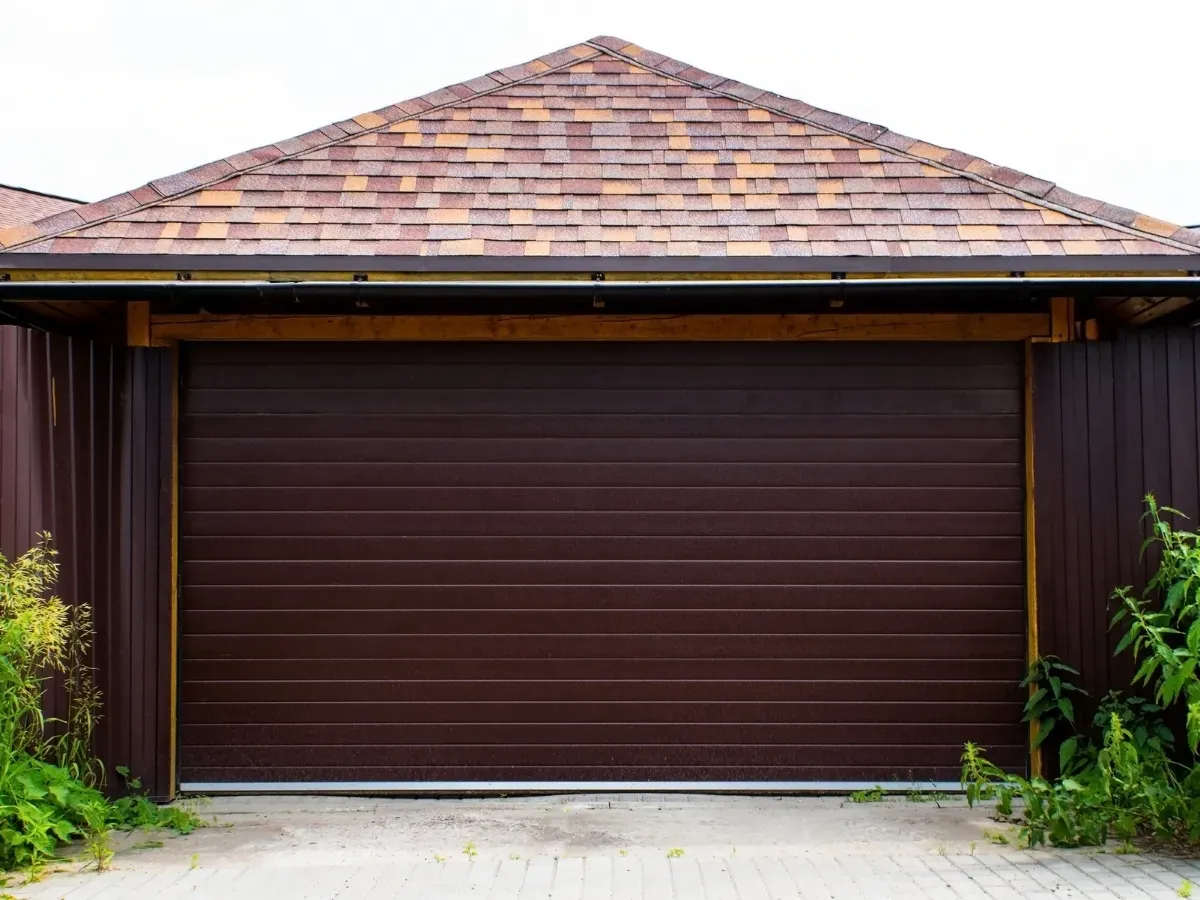
Older homes in Long Island often have garage doors that have been working for many years. While a well-maintained garage door can last a long time, age can eventually affect its springs, cables, rollers, tracks, opener, and other components. Weather conditions and regular daily use can also contribute to wear.
Knowing the common problems can help homeowners notice warning signs before a small issue becomes a bigger repair. If your garage door is making unusual sounds, moving unevenly, or refusing to open correctly, professional Garage Doors in Long Island services can help identify the cause.
Why Do Older Garage Doors Develop Problems?
Garage doors are used frequently. Every time the door opens or closes, several components work together to lift and guide its weight.
Over many years, parts can become worn or damaged because of:
- Frequent daily use
- Normal mechanical wear
- Moisture and humidity
- Winter temperatures
- Dirt and debris
- Lack of maintenance
- Aging hardware
- Rust or corrosion
- Accidental impact
An older garage door may continue working even when some components are already showing signs of wear.
1. Worn or Broken Garage Door Springs
Garage door springs help support the weight of the door during opening and closing. Over time, springs can weaken or eventually break.
Common warning signs include:
- The door feels unusually heavy
- The opener struggles to lift the door
- The door opens only partially
- A spring appears broken
- The door closes too quickly
- You hear a loud snap or bang
A broken spring should not be handled as a simple DIY repair. Garage door springs are under significant tension and can be dangerous if handled incorrectly.
2. Damaged or Worn Rollers
Rollers help the garage door move along its tracks. Older rollers can become worn, cracked, noisy, or stiff.
You may notice:
- Squeaking
- Grinding sounds
- Shaking during movement
- Jerky operation
- Difficulty opening or closing
Replacing worn rollers can sometimes make the door operate more smoothly and quietly.
3. Bent or Misaligned Tracks
Garage door tracks guide the rollers as the door moves. If a track becomes bent, loose, or misaligned, the door may struggle to travel properly.
Signs of track problems can include:
- The door rubbing against the track
- Uneven movement
- Loud noises
- The door stopping during operation
- Rollers appearing out of position
A technician can inspect the tracks and determine whether adjustment, repair, or replacement is appropriate.
4. Frayed or Damaged Cables
Garage door cables work with the spring system to help move and support the door. Over time, cables can wear, fray, or become damaged.
If you notice loose or damaged cables, avoid operating the door until it has been inspected. A cable problem can affect the balance and movement of the entire door.
5. Problems With the Garage Door Opener
Older garage door openers can develop electrical or mechanical problems.
Common signs include:
- The opener makes noise but the door does not move
- The remote does not work consistently
- The door reverses unexpectedly
- The opener struggles to lift the door
- The lights or controls stop working
- The opener operates intermittently
Sometimes the issue is simple, such as a remote battery. Other times, the opener itself may need repair or replacement.
6. Noisy Garage Door Operation
Some noise is normal, but a sudden change in sound can indicate a problem.
Listen for:
- Grinding
- Screeching
- Loud rattling
- Popping
- Squealing
- Repeated clicking
Different sounds can come from different components. For example, worn rollers may produce one type of noise, while loose hardware or a problem with the opener may produce another.
A professional inspection can help identify the source.
7. Rust and Corrosion
Long Island weather can expose exterior garage door components to moisture and changing temperatures. Metal hardware can develop rust over time, especially when moisture is allowed to remain on or around the components.
Rust may affect:
- Springs
- Tracks
- Hinges
- Brackets
- Screws
- Other metal hardware
Not every small area of surface rust requires immediate replacement, but significant corrosion should be inspected.
8. Damaged Door Panels
Older garage doors can develop dents, cracks, warping, or other panel damage.
A damaged panel can affect both appearance and operation. If a panel becomes badly bent, it may place additional stress on rollers, tracks, or other components.
Depending on the door’s design and the extent of damage, a single panel may sometimes be repaired or replaced instead of replacing the entire door.
9. Poor Door Balance
A properly functioning garage door should move in a controlled manner. If the door feels extremely heavy or falls quickly when operated manually by a qualified professional, there may be an issue with the spring or balance system.
Poor balance can put additional strain on the opener.
This is another reason not to ignore changes in how the door feels during operation.
10. Safety Sensor Problems
Modern garage doors commonly use safety sensors near the bottom of the opening. These sensors help prevent the door from closing when something is detected in its path.
If the sensors are dirty, misaligned, damaged, or malfunctioning, the door may:
- Refuse to close
- Reverse after starting to close
- Work inconsistently
Keeping the sensor areas clean and unobstructed can help, but persistent problems should be professionally checked.
See also: How Trade Business Management Software Simplifies Business Administration
What Should Older Homeowners Check Regularly?
A basic visual inspection can help you notice problems early.
Look for:
- Frayed cables
- Rust
- Loose hardware
- Damaged rollers
- Bent tracks
- Cracked panels
- Unusual sounds
- Slow movement
- Uneven operation
- Problems with the safety sensors
Do not attempt to adjust springs or other high-tension components yourself.
When Should You Call a Professional?
If the garage door suddenly becomes difficult to operate, makes unusual noises, comes off its normal path, or refuses to open or close, professional help is recommended.
Sumo Garage Doors can help homeowners identify problems with aging garage door systems and determine whether a repair, adjustment, or replacement is appropriate.
Addressing problems early can sometimes prevent additional wear on other components.
Repair or Replace an Older Garage Door?
Not every old garage door needs to be replaced. The decision depends on the condition of the door, frequency of repairs, safety features, appearance, insulation needs, and overall performance.
Repair may make sense when the main door structure is still in good condition and only individual components need attention.
Replacement may be considered when the door has widespread damage, repeated failures, outdated safety features, or major structural problems.
About Sumo Garage Doors
Sumo Garage Doors provides garage door services for homeowners who need help with aging or damaged garage door systems. Professional inspection can help identify problems with springs, rollers, tracks, cables, panels, openers, and safety components.
If you own an older home and notice changes in your garage door’s performance, professional Garage Doors in Long Island services can help you understand the problem and choose an appropriate repair or replacement solution.