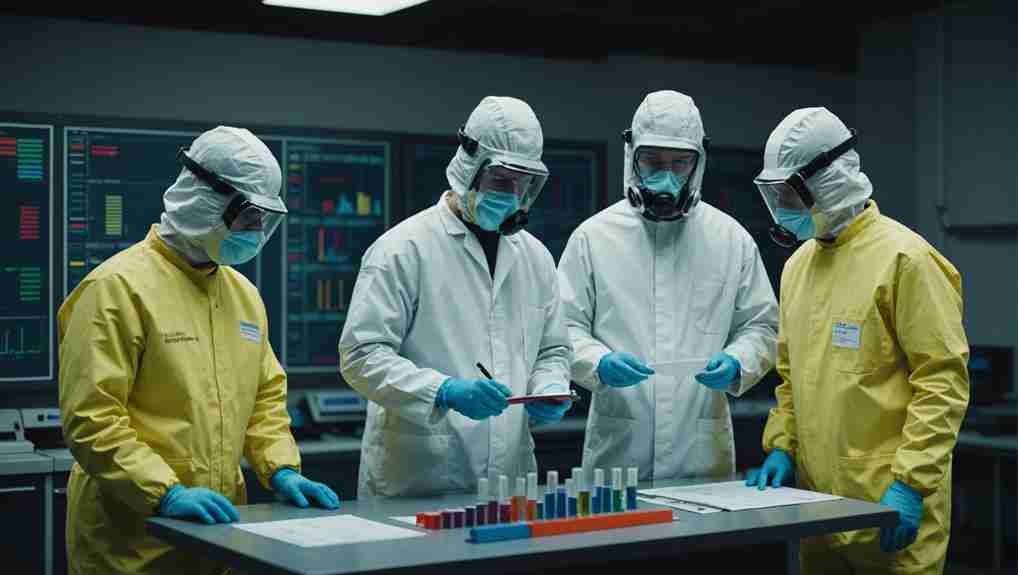
Asbestos testing isn’t a single, uniform procedure. Depending on what’s being checked, whether it’s a suspect material sitting in a wall, or the actual air someone is breathing in a room, different testing methods answer different questions, and knowing which method applies to which situation makes the whole process far less confusing. Asbestos testing in Brooklyn typically draws on a handful of established laboratory and sampling techniques, each suited to a specific kind of question about risk, and understanding what each one is actually designed to detect helps you make sense of a report that might otherwise read like an alphabet soup of acronyms.
Why One Method Doesn’t Answer Every Question
It’s tempting to assume “asbestos testing” is one uniform thing, a swab, a lab, and a yes-or-no answer. In practice, the question being asked determines which method actually applies. Is a specific material, like a floor tile or pipe wrap, made of asbestos-containing fibers at all? That’s a different question than asking how many asbestos fibers are currently floating in the air of an occupied room. Each of these questions has its own dedicated testing method, and understanding the difference helps explain why a thorough inspection sometimes involves more than one type of test rather than a single, simple sample and answer.
Bulk Material Analysis: Testing the Material Itself
Bulk material analysis is often the starting point when a specific material is suspected of containing asbestos. A small sample is physically removed from the suspect material, whether that’s a piece of floor tile, a chunk of pipe insulation, or a scraping from a popcorn ceiling, and sent to a lab for direct analysis. This method answers the most basic question: does this specific material actually contain asbestos fibers, and if so, roughly what percentage. It’s the foundational test that usually comes first, since there’s little point testing air quality for a material that turns out not to contain asbestos in the first place, and starting here often saves both time and unnecessary cost.
Air Sampling and Airborne Fiber Testing: Measuring What’s in the Air
Once a material is confirmed to contain asbestos, or if there’s concern about fibers already released into the air, air sampling becomes the relevant test. Specialized pumps draw air through a filter over a set period, capturing any airborne fibers present, which are then sent to a lab for counting and identification. This method answers a fundamentally different question than bulk analysis: not whether asbestos exists somewhere in the building, but whether people in a specific space are actually being exposed to airborne fibers right now, which is ultimately the question that matters most for anyone actually occupying the space.
Polarized Light Microscopy: Identifying the Specific Fiber Type
Polarized Light Microscopy, commonly abbreviated as PLM, is one of the most widely used laboratory methods for analyzing bulk samples. By examining a sample under polarized light, technicians can identify which of the several asbestos mineral types is present, chrysotile, amosite, crocidolite, and a few others, along with an estimate of what percentage of the material the asbestos makes up. This matters because different fiber types and concentrations can influence how a material should be handled or remediated, and it’s the reason a lab report often lists a specific mineral name rather than simply confirming “asbestos present.”
Phase Contrast Microscopy: Counting Airborne Fibers Precisely
Phase Contrast Microscopy, or PCM, is specifically used for counting airborne fibers captured during air sampling. Rather than identifying the fiber type the way PLM does for bulk samples, PCM focuses on quantifying how many fibers exist per cubic centimeter of air, a measurement directly relevant to occupational and environmental safety standards. This method is especially useful for tracking air quality over the course of a remediation project, confirming levels stay within safe limits throughout the work, giving both the crew and the property owner an ongoing check rather than waiting until the very end to find out whether containment actually held.
Transmission Electron Microscopy: The Most Sensitive Method Available
Transmission Electron Microscopy, or TEM, represents the most sensitive and detailed testing method currently available. Because it can detect much smaller fibers than PCM or standard PLM analysis can reliably catch, TEM is often used in situations calling for the highest level of certainty, such as final clearance testing after remediation work, or cases where earlier, less sensitive testing produced ambiguous or borderline results. It’s not always necessary for every situation, but it’s the method of choice when precision matters most, particularly when the stakes involve reoccupying a space and needing genuine confidence that it’s actually safe.
See also: How Trade Business Management Software Simplifies Business Administration
Why a Thorough Inspection Often Combines Multiple Methods
A single test rarely tells the complete story. A thorough asbestos inspection often starts with bulk material analysis to confirm which materials actually contain asbestos, follows with air sampling if there’s any concern about current exposure, and may use PCM or TEM depending on how precise the air quality measurement needs to be. Relying on just one method when the situation calls for a fuller picture is one of the more common shortcuts that leads to an incomplete or misleading assessment, one that might miss exactly the detail that would have changed the recommended course of action.
What Happens After Testing Confirms Asbestos Is Present
Once testing confirms the presence of asbestos, the next steps depend heavily on the material’s condition and location. Intact, undisturbed asbestos-containing material sometimes doesn’t need immediate removal, since the primary danger comes from disturbed fibers becoming airborne rather than the material simply existing in place. Damaged or friable material, on the other hand, calls for a more urgent response, whether that’s controlled abatement or full removal, followed by air clearance testing to confirm the area is safe again, closing the loop between the initial finding and a verified, documented resolution.
Choosing the Right Testing Approach for Your Situation
Different situations call for different starting points. A pre-renovation inspection typically begins with bulk material analysis on any suspect materials in the renovation zone. A concern about a specific room’s air quality, perhaps after a disturbance or a suspected leak in containment, calls for air sampling and PCM or TEM analysis. A final clearance check after remediation work almost always relies on the more sensitive TEM method to confirm the space is genuinely safe before it’s reoccupied. Knowing which scenario you’re actually in helps you and your testing provider choose the right starting method rather than defaulting to a one-size-fits-all approach that might either overtest a simple situation or undertest a genuinely urgent one.
Common Questions About Asbestos Testing Methods
Which testing method is used most often for a typical home inspection? Bulk material analysis, typically using PLM, is usually the starting point for a standard residential inspection, since it directly answers whether a specific suspect material actually contains asbestos before anyone spends money on air testing that might not be needed yet.
Is air sampling necessary if bulk testing already confirmed asbestos in a material? Not always. Air sampling becomes relevant specifically when there’s concern about airborne exposure, such as after a material has been disturbed or during active remediation work, rather than for every confirmed asbestos-containing material regardless of its condition or location within the building.
Why would a lab use TEM instead of the more common PCM method? TEM is used when a higher level of sensitivity is needed, such as final clearance testing after remediation, or when PCM results come back borderline and a more precise fiber count is needed to make a confident determination one way or the other before signing off on the space as safe.
How long does it typically take to get results back from these testing methods? Turnaround time varies by lab and testing method, but many labs offer expedited results within a day or two for standard bulk material analysis, with air sampling analysis sometimes taking slightly longer depending on the specific method used and how busy the lab happens to be that week.
Matching the Method to the Actual Question
Asbestos testing in Brooklyn isn’t a single procedure with one universal answer, it’s a set of distinct methods, each suited to a specific question about material composition, fiber type, or airborne concentration. Understanding which method applies to your specific situation, whether that’s confirming a suspect material, checking current air quality, or verifying a space is safe after remediation, helps you know exactly what you’re paying for and why, rather than accepting a generic package without understanding what each part is actually meant to detect.
For Brooklyn properties working through this process, Big Apple Asbestos Removal runs bulk sampling, air testing, and lab analysis in house, matching the method to whatever specific question a property owner actually needs answered.