A well-designed landscape can transform an ordinary outdoor area into a practical, attractive, and enjoyable extension of your home. Whether you want a lush lawn, a level backyard, an improved garden layout, or a complete outdoor renovation, choosing the right landscaping contractor is an important first step.
Sydney properties offer a wide range of landscaping opportunities, but every site has different requirements. Some gardens need only lawn preparation and planting, while others require excavation, soil removal, ground levelling, retaining walls, or changes to drainage.
Selecting suitable landscaping services in Sydney involves more than comparing prices. You need to understand the scope of work, assess the contractor’s experience, consider site conditions, and ensure the proposed design is suitable for your property.
MRN Excavations offers lawn landscaping alongside excavation and other groundwork services across Sydney, Wollondilly, the South Coast, and surrounding areas. This guide explains how to evaluate landscaping providers and make informed decisions about your outdoor project.
1. Identify Your Landscaping Goals
Before contacting contractors, decide what you want to achieve with your outdoor space. A clear objective makes it easier to compare proposals and establish a realistic budget.
Common landscaping goals include:
- Installing new turf to create a green lawn.
- Levelling uneven areas of a backyard.
- Preparing soil for gardens and planting.
- Improving the appearance and usability of outdoor spaces.
- Creating suitable ground levels for pathways or entertaining areas.
- Reshaping sections of a property to support a landscape design.
- Removing excess soil or preparing the site for new landscaping features.
Consider how the space will be used. A family garden may need durable lawn areas, while a low-maintenance landscape may benefit from carefully selected plants, mulch, and defined pathways.
If the project involves significant changes to ground levels, start by understanding the earthworks required before finalising the planting or turf plan.
2. Understand the Different Types of Landscaping Services
Not all landscaping contractors provide the same services. Some specialise in garden design and planting, while others focus on turf installation, hardscaping, or site preparation.
Lawn Installation and Turf Preparation
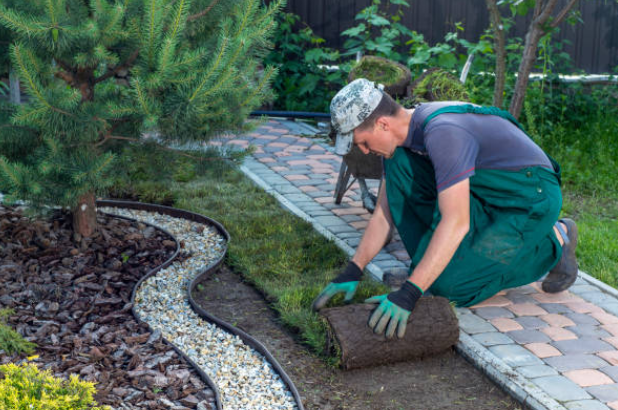
A healthy lawn begins with suitable ground preparation. The process may include removing unwanted vegetation, adjusting ground levels, preparing the soil, and establishing a suitable base before turf installation.
The appropriate method depends on the existing soil, drainage, intended lawn use, and type of turf selected.
A contractor should explain what preparation is included rather than simply quoting for the supply and laying of turf.
Garden Bed Preparation
Garden beds often require soil improvement, clearing, levelling, and suitable preparation for the selected plants.
The contractor should consider sunlight, drainage, soil characteristics, irrigation needs, and the mature size of plants. These factors influence how well the garden develops over time.
Earthmoving and Site Levelling
Some landscaping projects require machinery to reshape the ground or remove substantial quantities of soil.
Earthmoving may be necessary where a property has uneven terrain, an unsuitable lawn area, or ground levels that do not match the proposed landscape design.
MRN Excavations combines excavation-related services with lawn landscaping, which may be useful when a project requires both ground preparation and outdoor improvements.
Retaining Walls and Structural Landscaping Preparation
Sloping properties may require retaining walls or other engineered solutions to manage changes in elevation.
These projects can involve excavation, drainage, foundation preparation, and material handling. The required design and approvals depend on the wall, site conditions, and applicable regulations.
For substantial retaining structures, obtain the necessary technical advice rather than relying solely on appearance or a landscaping quotation.
Drainage and Surface Grading
Water management is an important part of landscape planning. Poorly directed runoff can damage lawn areas, cause erosion, and create problems around buildings.
Surface grading should be designed to direct water appropriately without creating adverse impacts on neighbouring properties. Drainage installations may require specialist design or approvals depending on their location and complexity.
3. Assess the Contractor’s Experience
Experience can help a contractor recognise common site challenges and recommend practical solutions. However, experience should be assessed in relation to the work you need.
For a lawn installation, ask about soil preparation, turf selection, and aftercare. For a sloping backyard, ask how the contractor will manage excavation, access, changes in elevation, and drainage.
Request photographs or examples of comparable projects where available. Ask what challenges were encountered and how they were addressed.
It is also worth checking whether the contractor can explain the sequence of work clearly. Landscaping projects often involve several stages, and the order of these stages affects efficiency.
4. Check Licensing, Insurance, and Relevant Qualifications
Landscaping can involve activities ranging from straightforward planting to regulated excavation, structural work, or drainage modifications.
Check that the contractor has the licences, qualifications, and insurance appropriate to the work being undertaken.
In NSW, licensing requirements may apply to excavation and certain residential building or trade work. Underpinning, piering, and structural activities may have separate requirements.
If your landscaping project includes substantial excavation, retaining structures, or foundations, clarify who is responsible for technical design, approvals, and compliance.
A contractor should be willing to discuss relevant credentials and explain which parts of the project fall within their scope.
5. Compare Landscaping Quotes Carefully
Price is important, but the cheapest quote is not always the most suitable choice. Different contractors may include different materials, preparation methods, machinery allowances, and waste-removal arrangements.
When comparing landscaping quotes, look for the following details:
Scope of work: Confirm the areas to be landscaped and the tasks to be completed.
Ground preparation: Check whether clearing, levelling, soil conditioning, and excavation are included.
Materials: Identify the proposed turf, soil, plants, aggregates, edging, and other materials.
Machinery and labour: Clarify whether equipment, operators, and additional labour are included.
Spoil removal: Determine how excess soil and green waste will be handled and whether disposal charges are included.
Drainage and irrigation: Establish whether these items are part of the quote or require separate contractors.
Exclusions and variations: Ask how unexpected conditions and changes to the design will affect the final price.
A detailed quotation makes it easier to compare providers on a like-for-like basis and reduces the likelihood of misunderstandings.
6. Consider Your Property’s Soil and Terrain
Sydney properties can have very different ground conditions. Some sites contain clay soils that retain moisture, while others have sandy ground, sloping terrain, or shallow rock.
These differences affect landscaping decisions.
Clay Soil
Clay can hold water and become difficult to work when wet. Soil preparation and drainage should reflect the specific conditions rather than relying on a generic solution.
Sandy Soil
Sandy soil often drains more quickly but may require attention to moisture retention and nutrient management, depending on the plants and turf selected.
Sloping Blocks
Slopes can influence access, erosion, water movement, and the feasibility of lawn installation. More substantial changes may require engineered retaining solutions or specialist advice.
Restricted Access
Narrow side passages, steep driveways, stairs, and limited machinery access can affect how materials are delivered and how groundworks are performed.
Provide the contractor with accurate access measurements and photographs before the quotation is finalised.
7. Choose Landscaping That Matches Your Budget
A successful landscape should suit both your property’s needs and your financial priorities.
Start by separating essential work from optional features. Necessary ground preparation, appropriate drainage, and suitable soil conditions should take priority over decorative additions that can be installed later.
You may also consider completing the project in stages. For example, the first stage could focus on excavation and levelling, followed by turf installation and planting.
When planning your budget, allow for potential variations if the existing ground conditions are uncertain. Discuss these risks with the contractor before work begins.
Remember that ongoing maintenance is also part of the overall cost. Turf requires watering and mowing, while plants may need pruning, fertilising, and seasonal care.
See also: How Trade Business Management Software Simplifies Business Administration
8. Evaluate Communication and Project Management
Clear communication is a valuable sign of a well-organised service provider.
A reliable contractor should explain the expected work sequence, estimated timeframe, access requirements, and any preparation needed from you.
Ask how changes will be communicated and who will be your main point of contact. If several trades are involved, establish how their work will be coordinated.
Weather can affect landscaping schedules, particularly when excavation or soil preparation is required. Wet ground may be unsuitable for some machinery operations or soil treatments, so the contractor should explain how weather-related changes will be managed.
Before work starts, confirm the agreed scope and any important project conditions in writing.
9. Why Ground Preparation Matters in Landscaping
The visible parts of a garden are only one part of a successful landscaping project. Ground preparation affects how the finished space performs.
Poorly prepared soil can result in uneven turf, settlement, standing water, or difficulties establishing plants. Inadequate grading may direct water towards structures or create erosion problems.
Depending on the site, preparation may involve removing unsuitable material, adjusting levels, preparing planting areas, or compacting fill where required by the design.
The appropriate methods depend on the intended use of each area. Soil beneath a lawn, for example, may need different preparation from a base designed to support paving or a structural element.
10. Why Consider MRN Excavations for Landscaping Preparation?
MRN Excavations provides lawn landscaping and excavation-related services across Sydney, Wollondilly, the South Coast, and surrounding regions.
The company’s service range includes bulk excavation, detailed excavation, screw piers, and lawn landscaping. This combination may be relevant to projects where outdoor improvements require both machinery-based groundwork and lawn preparation.
When making an enquiry, describe the current condition of your property, your landscaping goals, access restrictions, and any known drainage or soil concerns.
Providing photographs, measurements, and a simple description of your preferred outcome can help establish the appropriate scope of work.
Frequently Asked Questions
How do I choose the best landscaping services in Sydney?
Compare relevant experience, service scope, licensing where applicable, insurance, written quotations, communication, and the proposed approach to ground preparation.
Is excavation necessary for landscaping?
Not always. Simple planting or garden maintenance may need little or no excavation. Major levelling, retaining wall preparation, and substantial changes to ground levels may require machinery and specialist groundworks.
How much do landscaping services cost in Sydney?
Costs depend on the area, materials, site access, soil conditions, machinery, labour, and complexity. Request a detailed, site-specific quotation for a meaningful estimate.
When should landscaping begin?
Landscaping should begin when the design, budget, site access, and any necessary approvals are sufficiently clear. Groundworks should be coordinated with other construction activities where applicable.
Can landscaping improve the usability of my backyard?
Yes. Suitable planning can create more practical lawn areas, defined garden beds, improved circulation, and outdoor spaces that better match your needs. The results depend on the property and the design.
Conclusion
Choosing the best landscaping services in Sydney requires careful planning, realistic budgeting, and an understanding of your property’s ground conditions.
By defining your goals, checking contractor credentials, comparing detailed quotations, and prioritising appropriate site preparation, you can make more confident decisions about your outdoor project.
MRN Excavations offers lawn landscaping and excavation-related services that may suit projects requiring both ground preparation and outdoor improvements. Contact the team to discuss your requirements and determine the most appropriate next steps for your property.