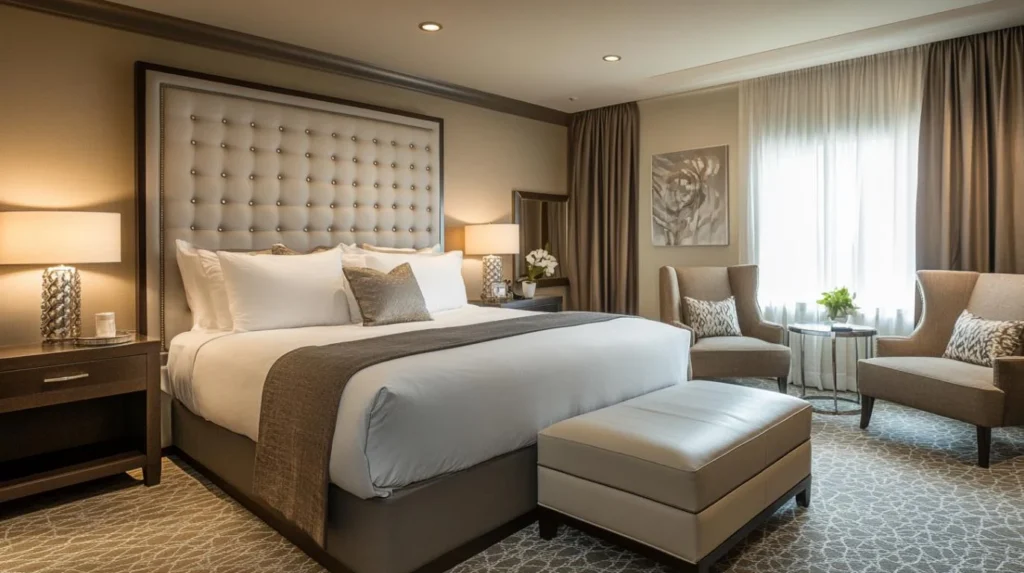
Hotel projects involve many expenses, and FF&E (Furniture, Fixtures, and Equipment) can represent a significant part of the overall budget. Hotel owners and developers need to create attractive guest spaces while also keeping costs under control. This is where value engineering can become an important part of FF&E Procurement.
Value engineering does not simply mean choosing the cheapest products. Instead, it means looking at the purpose, quality, design, durability, and cost of each item to find practical ways to achieve the required result without unnecessary spending.
For hotel owners, working with an experienced procurement company such as Bond Street Procurement can make this process easier. A professional team can review specifications, compare options, and identify potential savings while keeping the project’s design goals in mind.
What Is Value Engineering?
Value engineering is a structured process used to examine products, materials, designs, and specifications to determine whether the same required function can be achieved more efficiently.
In hotel procurement, this may involve reviewing items such as:
- Guestroom furniture
- Casegoods
- Upholstered furniture
- Lighting fixtures
- Window treatments
- Decorative accessories
- Bathroom fixtures
- Public-area furniture
- Outdoor furniture
- Guestroom equipment
The goal is not necessarily to reduce the quality of the hotel. Instead, the goal is to make sure the project receives the right value for the money being spent.
Why Is Value Engineering Important for Hotels?
Hotels have many different spaces, and every space has its own requirements.
A luxury guestroom may need durable furniture with a specific appearance. A restaurant may require furniture that can handle heavy daily use. A lobby may need visually impressive pieces that support the property’s design concept.
Without careful planning, small cost increases across hundreds of rooms can have a major impact on the project budget.
Value engineering gives the project team an opportunity to review those costs before purchasing decisions are finalized.
How Does Value Engineering Fit Into FF&E Procurement?
Value engineering works best when it begins early.
If products have already been ordered, changing specifications can be difficult and expensive. Early review gives procurement teams more opportunities to compare products and negotiate alternatives.
During FF&E Procurement, a team may review the original specifications and ask questions such as:
- Does this product need to meet a particular performance standard?
- Is the specified material necessary?
- Are there comparable products with similar quality?
- Can another manufacturer provide the same function?
- Is the product available within the project schedule?
- Will changing the product affect the hotel’s design?
- Will the alternative be durable enough for hotel use?
These questions help separate essential requirements from areas where flexibility may exist.
Finding Alternative Materials
One common value engineering approach is comparing materials.
For example, a project may specify a particular finish or material because of its appearance. Procurement professionals can look for alternatives that provide a similar visual effect while meeting the required durability and performance standards.
However, substitutions should not be made based on price alone.
The alternative needs to be evaluated for factors such as:
- Appearance
- Durability
- Maintenance
- Availability
- Warranty
- Lead time
- Guest experience
- Installation requirements
A cheaper material that needs frequent replacement may not provide good long-term value.
See also: How Trade Business Management Software Simplifies Business Administration
Comparing Different Manufacturers
Another part of value engineering involves comparing manufacturers and suppliers.
Two manufacturers may offer products that perform a similar function but have different pricing structures.
A procurement team can review specifications and identify manufacturers that meet the project’s requirements.
This may create savings while still maintaining the intended design and performance.
Bond Street Procurement can support this process by helping hotel project teams evaluate sourcing options and coordinate purchasing requirements.
Does Value Engineering Change the Hotel’s Design?
It can, but it does not always have to.
Some value engineering changes are almost invisible to guests. For example, a procurement team might identify a different supplier for a particular item while maintaining the same appearance and required specifications.
Other changes may affect the visible design and therefore require approval from the architect, designer, owner, or brand team.
This is why communication between procurement and the design team is important.
No significant substitution should be made without understanding how it may affect the finished property.
Value Engineering Should Consider Quality
One of the biggest mistakes in cost reduction is focusing only on the initial purchase price.
Hotel furniture and equipment experience frequent use. Guestroom furniture may be used every day, while lobby and restaurant furniture can experience even heavier traffic.
A product that costs less initially but wears out quickly may create higher costs later.
Good value engineering considers the complete value of a product, including:
- Purchase price
- Shipping
- Installation
- Maintenance
- Replacement costs
- Expected lifespan
- Warranty
- Availability of replacement parts
This approach helps hotel owners look beyond the initial invoice.
How Does Procurement Help Control Costs?
Procurement teams can identify savings opportunities through several methods.
They may consolidate orders, negotiate supplier pricing, compare multiple manufacturers, coordinate shipments, and identify products with more favorable lead times.
They can also review the project schedule to avoid expensive last-minute purchases.
When value engineering is combined with careful purchasing and supplier management, hotel owners can have better visibility into where their FF&E budget is going.
When Should Value Engineering Start?
Ideally, value engineering should begin during the planning and design stages.
Starting early provides more flexibility.
The project team can review specifications before products are finalized and before purchase orders are issued.
Late changes can create problems such as:
- Design revisions
- Re-approval requirements
- New samples
- Production delays
- Additional shipping costs
- Installation changes
Early review gives everyone more time to evaluate alternatives.
How Can Hotel Owners Make Value Engineering Successful?
Hotel owners should establish clear priorities before the process begins.
For example, they may decide that certain guestroom finishes, signature furniture pieces, or branded elements must remain unchanged.
Other products may have more flexibility.
Once these priorities are clear, the procurement team can focus its efforts on areas where savings are possible without compromising important project requirements.
A structured approach can make value engineering more useful and easier to manage.
Bond Street Procurement and Hotel FF&E Procurement
Successful value engineering requires more than simply finding lower prices. It requires understanding the hotel’s design, performance requirements, budget, schedule, and long-term operating needs.
By reviewing specifications early, comparing manufacturers, evaluating alternative materials, and considering total ownership costs, hotel teams can identify practical opportunities to manage their budgets.
When handled as part of professional FF&E Procurement, value engineering can help create a better balance between cost, quality, design, and durability. Bond Street Procurement supports hotel projects with procurement expertise designed to help owners and project teams manage FF&E sourcing, supplier coordination, and purchasing requirements.