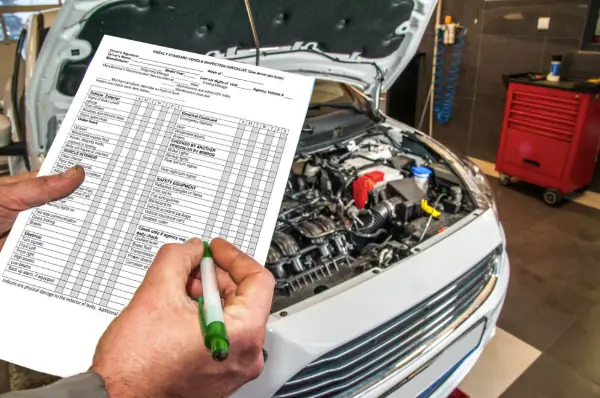
After a car crash, getting your vehicle repaired is important, but keeping the right paperwork is also a smart step. Documents can help you understand what work was done, what parts were replaced, how much you paid, and whether the repairs were completed as promised. Good records can also be useful when dealing with insurance, selling the vehicle later, or handling a repair-related issue.
When working with an auto body shop in Avenel, keeping organized documentation can make the entire repair process easier. From the first damage estimate to the final invoice, every document can provide useful information about your vehicle and its repair history.
Why Is Repair Documentation Important?
A collision can involve more damage than what is visible from the outside. During the repair process, technicians may discover additional problems after removing damaged panels or inspecting internal components.
Keeping documentation gives you a record of what was found and how the shop addressed it.
Your records can help you:
- Understand the repairs performed on your vehicle
- Track replaced and repaired parts
- Review labor and material charges
- Communicate with your insurance company
- Show proof of payment
- Keep a record for future repairs
- Provide information to a future buyer
- Address disagreements about the repair
A well-organized repair file can be useful long after your vehicle leaves the shop.
Keep the Original Damage Estimate
The initial estimate is one of the most important documents to keep after a crash. It normally lists the visible damage that the shop expects to repair.
Depending on the vehicle and accident, the estimate may include:
- Damaged body panels
- Bumpers
- Lights
- Glass
- Paint work
- Labor
- Replacement parts
- Repair procedures
- Estimated costs
The original estimate gives you a starting point for comparing the planned repairs with the work that was eventually completed.
Remember that an estimate can change. Hidden damage may only become visible after the vehicle is disassembled.
Ask for Supplement Documentation
Sometimes a repair shop discovers additional damage that was not included in the original estimate. This is commonly called a supplement.
For example, a bumper may look damaged from the outside, but removing it could reveal damage to brackets, supports, sensors, or other components.
If additional repairs are needed, ask for documentation showing:
- What new damage was discovered
- Which additional parts are required
- Additional labor costs
- Additional materials
- Why the extra repair is necessary
- Whether insurance approved the additional work
Keeping these documents helps explain why the final repair cost may be higher than the original estimate.
Keep Photos of the Vehicle Before Repairs
Photos can be extremely useful documentation after a collision. If it is safe to do so, take clear pictures of the vehicle before repairs begin.
Try to photograph:
- The entire vehicle
- Damaged areas from different angles
- Scratches and dents
- Broken lights
- Damaged bumpers
- Wheel or tire damage
- Interior damage
- Warning lights on the dashboard
- The surrounding accident scene when appropriate
These pictures create a visual record of the vehicle’s condition before repair work begins.
It can also be helpful to take photos after the repairs are finished. This gives you before-and-after documentation.
Keep the Final Repair Invoice
The final invoice is another document you should keep for your records. It should show what you were charged after the repair was completed.
Look for information such as:
- Repair labor
- Parts
- Paint and materials
- Additional repairs
- Taxes and fees
- Discounts, if applicable
- Total amount paid
Compare the final invoice with the original estimate and any approved supplements. If something looks different, ask the repair shop to explain the change.
Save Parts and Parts Information When Appropriate
In some situations, the shop may replace damaged parts. Depending on the repair and local requirements, you may be able to ask about the replaced parts or documentation identifying the parts used.
The paperwork may indicate whether parts were:
- New original-equipment parts
- New aftermarket parts
- Recycled or used parts
- Reconditioned parts
Not every replaced component will be available for you to take home, and some parts may need to be returned for insurance or warranty reasons. However, having the part information on the repair documents can still be valuable.
Keep Insurance Documents
Your insurance paperwork should also stay with your repair records. This may include:
- Claim number
- Insurance estimate
- Adjuster information
- Approved supplements
- Coverage information
- Payment records
- Repair authorization
- Correspondence about the claim
Keeping insurance and repair documents together makes it easier to understand the complete history of the accident.
If questions come up later, you will have the information in one place.
Ask About Warranties
If the repair shop provides a warranty on its workmanship or certain parts, keep the warranty information.
A warranty document may explain:
- How long coverage lasts
- What repairs are covered
- What parts are covered
- Conditions that could affect coverage
- How to request warranty service
For example, if a paint-related problem appears later and the repair is covered by the shop’s warranty, having the original invoice and warranty documentation can make the process easier.
See also: How Trade Business Management Software Simplifies Business Administration
Keep Communication With the Repair Shop
Do not overlook emails, text messages, or other written communication related to the repair.
Important conversations may include:
- Changes to the repair plan
- Additional damage
- Delays
- Parts availability
- Insurance approvals
- Completion dates
- Warranty questions
If an important decision is discussed by phone, you can ask for the information to be confirmed in writing. This gives you a clearer record of what was discussed.
What Should Your Final Repair File Include?
A simple folder can contain everything related to the accident and repair.
Consider keeping:
- Accident photos
- Police or accident report, when applicable
- Insurance claim information
- Original repair estimate
- Supplement estimates
- Repair authorization
- Final invoice
- Parts information
- Warranty documents
- Repair-related emails and messages
- Final photos of the vehicle
- Proof of payment
Digital copies can also be useful. You can scan paper documents or save electronic files in a dedicated folder.
Why Records Can Help When Selling Your Car
Repair documentation can also become part of your vehicle’s history. A future buyer may want to know whether the vehicle has been involved in an accident and what repairs were performed.
Clear records can help explain the difference between minor cosmetic work and more significant collision repairs.
Rather than relying only on memory, you can show the actual repair documents and explain what was repaired.
Choose a Shop That Provides Clear Documentation
Good communication and clear paperwork can make the repair process easier to follow. Before authorizing work, ask the shop how estimates, additional damage, parts, invoices, and warranties will be documented.
A professional auto body shop in Avenel should be able to explain the repair process and provide appropriate documentation for the work performed. Keeping those records yourself gives you an organized history of the vehicle.
About Avenel Auto Body
Avenel Auto Body helps vehicle owners handle collision-related repairs with attention to the repair process and customer communication. From estimates and body repairs to documentation and final inspection, keeping clear records is an important part of understanding what happened to your vehicle after a crash.
If your vehicle needs collision repairs, working with an experienced auto body shop in Avenel and keeping your estimates, invoices, insurance documents, photos, and warranty information can give you greater clarity throughout the repair process.