Asbestos was widely used in homes because it could add strength, resist heat, and improve fire protection. In older houses, asbestos may be present in flooring, insulation, ceilings, walls, roofing materials, pipe insulation, and other building products. You cannot reliably identify asbestos just by looking at a material, so professional testing is important before disturbing suspect materials during renovation or repair. Asbestos inspection in Long Island can help identify materials that may contain asbestos and determine whether laboratory analysis is needed before work begins.
Homes built or renovated before the late 1970s deserve particular attention because asbestos was common in many construction products during that period. However, the age of a house alone cannot confirm whether asbestos is present. EPA guidance notes that buildings constructed before 1978 are more likely to contain asbestos-containing materials, while some products containing asbestos were still available after that period.
Understanding where asbestos may be found can help homeowners plan renovations more safely. It can also help prevent accidental damage to materials that may release asbestos fibers into the air.
Why Was Asbestos Used in Older Homes?
Asbestos is a group of naturally occurring mineral fibers known for their strength, heat resistance, and resistance to chemicals. These properties made asbestos useful in construction and manufacturing for many decades.
Manufacturers added asbestos to different materials to improve durability, insulation, fire resistance, or sound control. As a result, asbestos was not limited to one product or one part of a home.
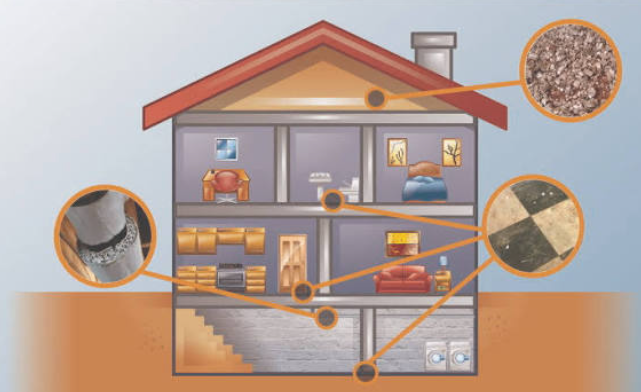
Older homes may contain asbestos in both visible and hidden materials. Some materials may be easy to see, such as old floor tiles or textured ceilings. Others can be concealed behind walls, under flooring, around pipes, inside heating systems, or in attic insulation.
The important point is that the presence of an older building material does not automatically mean it contains asbestos. Testing is needed when knowing the material’s composition is important.
Where Is Asbestos Commonly Found in Older Homes?
Asbestos can occur in many areas of an older home. The following are some of the most common locations that homeowners should know about.
Flooring and Floor Tiles
Older flooring is one of the materials most commonly associated with asbestos in residential buildings.
Asbestos was used in vinyl floor tiles, sheet flooring, flooring backings, and some adhesives or mastics. Older square tiles, including certain 9-by-9-inch and 12-by-12-inch tiles, may warrant further evaluation, although tile size alone cannot confirm asbestos content.
Asbestos-containing flooring can become a concern when homeowners remove, sand, scrape, drill, or cut it. These activities can damage the material and potentially release fibers.
EPA guidance lists vinyl flooring, including floor tiles, sheet flooring, and related mastics, among materials that may contain asbestos in older homes.
If you are planning to replace old flooring in an older Long Island home, avoid assuming that the material is safe simply because it looks like ordinary vinyl. An asbestos inspection can determine whether further testing is appropriate before renovation work begins.
Pipe and Boiler Insulation
Heating systems are another important area to inspect in older properties.
Asbestos was commonly used as insulation around steam pipes, hot-water pipes, boilers, and furnace ducts. The material helped protect against heat and provided insulation around high-temperature systems.
Some older pipe insulation can look like a paper-like wrap, plaster, fabric, or cement material. Certain materials may also have protective coverings around them.
Older insulation can become more concerning when it is damaged, deteriorating, cut, drilled, or removed during plumbing or heating work. EPA sources identify pipe, boiler, and furnace insulation as common locations for asbestos in older homes.
Because much of this material can be hidden in basements, utility rooms, crawl spaces, and mechanical areas, homeowners may not realize it is present.
Popcorn and Textured Ceilings
Textured ceilings are another material that may contain asbestos, particularly in older homes.
Some textured coatings and sprayed or troweled ceiling materials used during earlier decades contained asbestos. These materials were sometimes installed for decorative purposes, sound control, or fire resistance.
A popcorn ceiling cannot be identified as asbestos simply from its appearance. Many textured ceilings contain no asbestos at all, while others may require testing to determine their composition.
The risk becomes more relevant when homeowners plan to scrape, sand, drill, repair, or remove the ceiling. EPA guidance identifies certain textured paints and decorative ceiling materials as potential asbestos-containing materials in older buildings.
Wall and Ceiling Joint Compounds
Asbestos may also be present in some older joint compounds, patching materials, and related products used on walls and ceilings.
These materials were commonly used to smooth joints, repair surfaces, and prepare walls for painting. Some products manufactured before restrictions were introduced contained asbestos.
The material itself may not look unusual. It can resemble ordinary drywall compound or plaster, which is why visual inspection alone cannot reliably identify asbestos.
Sanding or scraping an old wall surface during remodeling can disturb suspect materials. If a renovation involves significant wall or ceiling work in an older home, professional asbestos inspection services can help determine whether suspect materials need to be sampled.
Attic Insulation
Attics can contain several materials that require attention during an asbestos assessment.
One important example is vermiculite insulation. Some vermiculite insulation used in homes was contaminated with asbestos. EPA guidance specifically identifies vermiculite attic insulation as a potential asbestos concern.
Loose insulation can be difficult for homeowners to evaluate safely because it may cover large areas and can be disturbed easily.
If you are planning to enter an attic for renovation, insulation replacement, electrical work, or other construction, it is better to determine what materials are present before disturbing them.
Furnace, Stove, and Heating Materials
Older furnaces, boilers, wood-burning stoves, coal-burning appliances, and other heating equipment may contain asbestos-containing insulation or components.
Asbestos was used around heating equipment because of its ability to withstand high temperatures. Potential materials include cement sheets, millboard, insulation, paper products, and door gaskets.
Some of these materials may remain intact for decades. The concern increases when they are damaged or disturbed during equipment replacement, repair, or remodeling.
EPA historical guidance identifies furnace insulation, stove insulation, and certain door gaskets as possible asbestos-containing materials in older homes.
Siding, Roofing, and Cement Products
Asbestos was also incorporated into certain exterior building products.
Older homes may have asbestos-containing cement siding, shingles, roofing felt, and other cement-based materials. These products were valued for their durability and resistance to heat and weather.
Some asbestos-cement products are relatively durable when left intact. Cutting, drilling, breaking, sanding, or grinding them can create dust and may release fibers.
This is especially important when replacing siding, repairing a roof, installing new windows, or making other exterior improvements.
Insulation Behind Walls
Some older homes may contain asbestos-containing insulation hidden inside walls or ceilings.
EPA guidance notes that homes constructed during earlier periods may have asbestos insulation located between interior and exterior wall surfaces.
This type of material can remain completely hidden until someone opens a wall for plumbing, electrical work, remodeling, or structural repairs.
That is one reason renovation planning should consider materials that may be concealed rather than only materials that are visible during a basic walkthrough.
Can You Tell if a Material Contains Asbestos?
No. Appearance alone cannot reliably confirm whether a building material contains asbestos.
Two materials can look almost identical while having completely different compositions. A homeowner may suspect that an old floor tile, ceiling, insulation, or pipe wrap contains asbestos, but only appropriate sampling and laboratory analysis can provide confirmation.
The EPA specifically advises homeowners not to rely on visual inspection when determining whether a suspect material contains asbestos. When damaged materials or planned renovation could disturb them, EPA recommends having the material sampled by a properly trained and accredited asbestos professional and analyzed by a qualified laboratory.
This is where professional asbestos inspectors can provide valuable assistance. Their role is to identify suspect materials, determine where sampling may be appropriate, and document findings so property owners can make informed decisions.
When Should You Get an Asbestos Inspection?
An asbestos inspection is particularly important when an older home is going through renovation, demolition, repair, or major maintenance.
You should consider an inspection when:
- You are remodeling an older kitchen or bathroom.
- You plan to remove old flooring or ceilings.
- Walls will be opened for plumbing or electrical work.
- Old insulation or heating materials will be disturbed.
- You are replacing siding or roofing materials.
- You are unsure about the composition of an older building material.
- A damaged material may contain asbestos.
- You are preparing an older property for major renovation.
The goal is not to test every material in every house. A qualified professional can help determine which materials are relevant based on the home’s age, renovation history, visible materials, and planned work.
Why Renovation Makes Asbestos a Bigger Concern
Asbestos-containing material can remain in place for many years without creating the same concern as damaged or disturbed material.
The problem can arise when remodeling activities break the material apart or create dust. Cutting, sanding, drilling, scraping, grinding, or demolition can disturb asbestos-containing materials and potentially release fibers into the air.
This is why asbestos inspection services are often considered before renovation begins rather than after construction has already started.
An inspection can identify suspect materials before contractors disturb them. That allows the project team to plan the work around known conditions and follow applicable requirements for handling or removal when necessary.
EPA emphasizes that asbestos cannot be reliably identified by appearance and recommends professional sampling when suspected materials are damaged or could be disturbed during renovation.
See also: How Trade Business Management Software Simplifies Business Administration
What Happens During an Asbestos Inspection?
A professional asbestos assessment generally starts with a review of the property and the planned work. The inspector considers the building’s age, renovation history, construction materials, and areas that may be disturbed.
The inspection may include visual examination of accessible materials and collection of samples from suspect materials when appropriate.
Samples are then sent to a qualified laboratory for analysis. The laboratory results can identify whether the sampled material contains asbestos.
A professional report can help document the areas inspected, materials sampled, laboratory findings, and other relevant observations. The exact inspection and sampling process can vary depending on the property and the purpose of the assessment.
How to Choose an Asbestos Inspection Company
Not all asbestos assessments are the same. When choosing an asbestos inspection company, homeowners should look beyond price and consider qualifications, experience, sampling practices, and reporting.
Ask whether the professionals performing the inspection have the required training and credentials for the work in your area. You can also ask how samples are collected, which laboratory performs the analysis, and what documentation you will receive.
It is also important to understand the difference between inspection and removal. An inspector evaluates materials and may collect samples. Asbestos abatement professionals handle removal or other control work when required. Keeping these roles clear can help reduce conflicts and improve the reliability of the assessment.
For projects in New York, homeowners should also consider applicable state and local requirements before renovation or asbestos-related work begins.
What Should You Do If You Suspect Asbestos?
If you suspect that an older material contains asbestos, avoid disturbing it until you know what you are dealing with.
Do not sand, drill, scrape, cut, break, or remove a suspect material simply to check what is underneath it. Instead, identify the material and determine whether professional sampling is appropriate.
If the material is already damaged, limit unnecessary contact with the area and seek advice from a qualified asbestos professional. Do not sweep or use methods that could spread dust from a suspect material.
Remember that the presence of asbestos does not automatically mean a home must undergo immediate removal. In some situations, leaving an intact material undisturbed may be the appropriate approach. The correct response depends on the material, its condition, location, and planned activities.
Protecting Older Homes During Renovation
Older homes can have character, durability, and construction features that are difficult to reproduce today. They can also contain materials that were commonly used decades ago but require more careful handling now.
Knowing where asbestos may be found is an important part of responsible renovation planning. Flooring, textured ceilings, joint compounds, pipe insulation, attic insulation, heating equipment, siding, roofing, and hidden wall materials can all require consideration in older properties.
When there is uncertainty, professional assessment is a better approach than guessing based on appearance. Asbestos inspection in Long Island can help homeowners identify suspect materials before renovation work disturbs them and provide laboratory-based information when sampling is needed.
Quest Environmental Testing provides asbestos inspection services for property owners who need reliable information about potential asbestos-containing materials. Our approach focuses on identifying suspect materials, coordinating appropriate testing, and providing clear information that can help homeowners and project teams plan their next steps with greater confidence.